Pre-purchase inspections
Know what you are buying.
A phased pre-buy from an FAA Part 145 repair station: records and engines first, so you can walk away early — and spend less — if the airplane is not the one.
How our pre-buy works
Engines and records first. Airframe second.
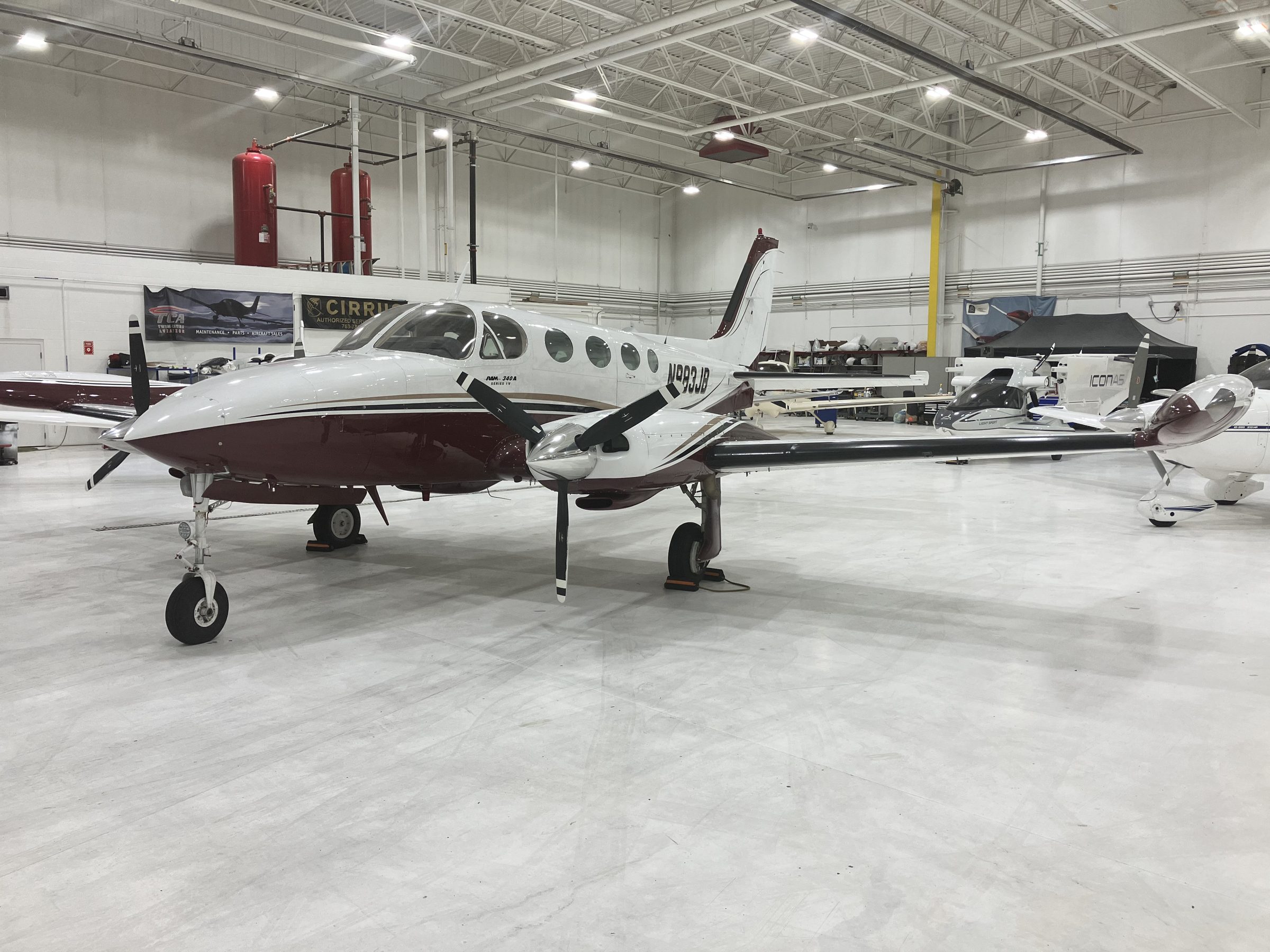
Most deal-breakers show up in the logbooks or the engine. So we look there first, give you the findings, and let you decide whether the airplane earns a full airframe inspection. Pre-buys are a big part of what we do every year — for Cirrus, twin Cessnas, Diamonds and the piston singles owners fly every day.
-
Phase 1
Records & engines
We start where the expensive surprises hide. A full logbook and records review, then a hands-on evaluation of the engine — or both engines on a twin — before anyone opens an inspection panel on the airframe.
- Airframe, engine and prop logbooks, back to new where available
- AD compliance, 337s, STCs and damage history
- Engine and prop times against TBO and calendar limits
- Differential compression on every cylinder
- Borescope of every cylinder, with images
- Oil filter cut and inspection
- Engine compartment, mounts, exhaust and turbo systems
-
Decision point
Your call
We walk you through the Phase 1 findings with photos. If the records or engines raise a deal-breaker, you stop here and pay only for Phase 1 — not for a full inspection of an airplane you are not going to buy.
-
Phase 2
Airframe & systems
If Phase 1 looks acceptable to you, we inspect the rest of the airplane with the same care we give our own customers' aircraft at annual.
- Structure and corrosion, inside and out
- Flight controls, cables and rigging
- Landing gear, brakes and tires
- Fuel system and fuel cells or tanks
- Electrical system and lighting
- Avionics and autopilot ground checks
- Model-specific items: CAPS dates on a Cirrus, de-ice and pressurization history on a twin
-
Report
Findings you can negotiate with
A written list of findings with photos, sorted so you can see what matters: airworthiness items, safety and recommended items, and condition notes. Ask, and we will estimate the work so you can price it into the deal.
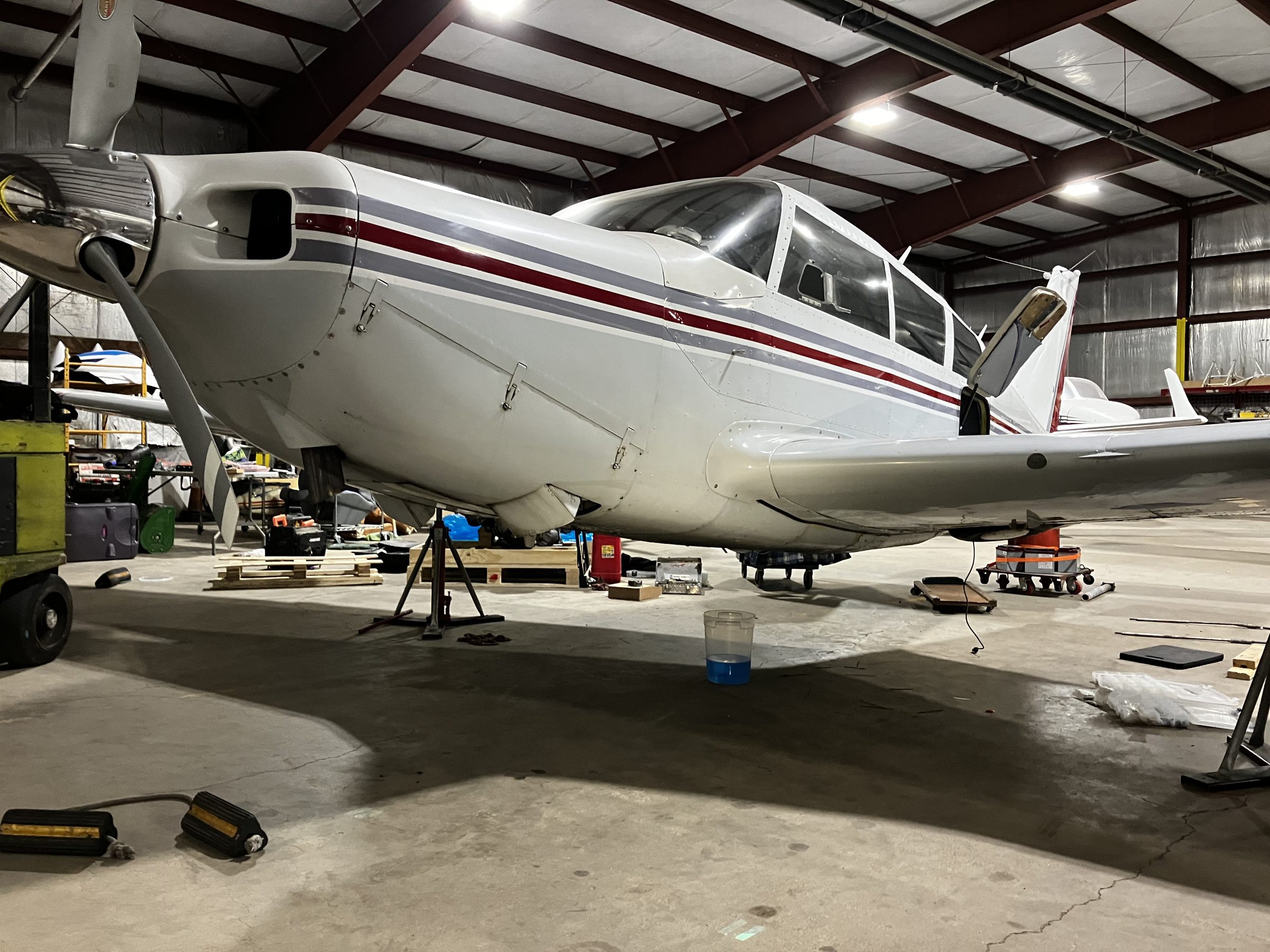
We work for the buyer
An independent set of eyes
- Our job is to tell you what we find, good and bad. The seller does not direct the inspection.
- No repairs during the pre-buy unless you and the seller both approve them.
- Factory-trained Cirrus and Diamond technicians, and a hangar full of twin Cessnas.
- If you buy, we can turn the findings into an annual or a punch list and get you flying home.
Before you book
- Get it in writing. A purchase agreement that makes the sale subject to a pre-buy inspection by the shop you choose.
- Line up the seller. Permission to inspect, and all of the logbooks and records with the airplane.
- Get it to Blaine. The seller or broker flies it to Anoka County–Blaine Airport (KANE), or you arrange a ferry pilot. Tell us if you need help.
- Send us the basics. Use the form or email. We confirm the schedule and quote each phase before we start.
Common questions
- What does it cost?
- It depends on the aircraft. We quote Phase 1 and Phase 2 separately before we start, so you know the cost of each step — and of stopping after Phase 1.
- How long does it take?
- We tell you up front how long each phase takes for your aircraft and schedule as quickly as we can. Phase 1 findings come to you before Phase 2 starts.
- What aircraft do you inspect?
- Cirrus SR20, SR22 and SR22T; twin Cessnas from the 310 to the 421; Diamond; Icon; and piston singles from Cessna, Piper, Beechcraft and Mooney. Ask about anything else.
- Can you fix what you find?
- Yes — after the deal is settled. We do not start repairs during the pre-buy unless both buyer and seller approve.