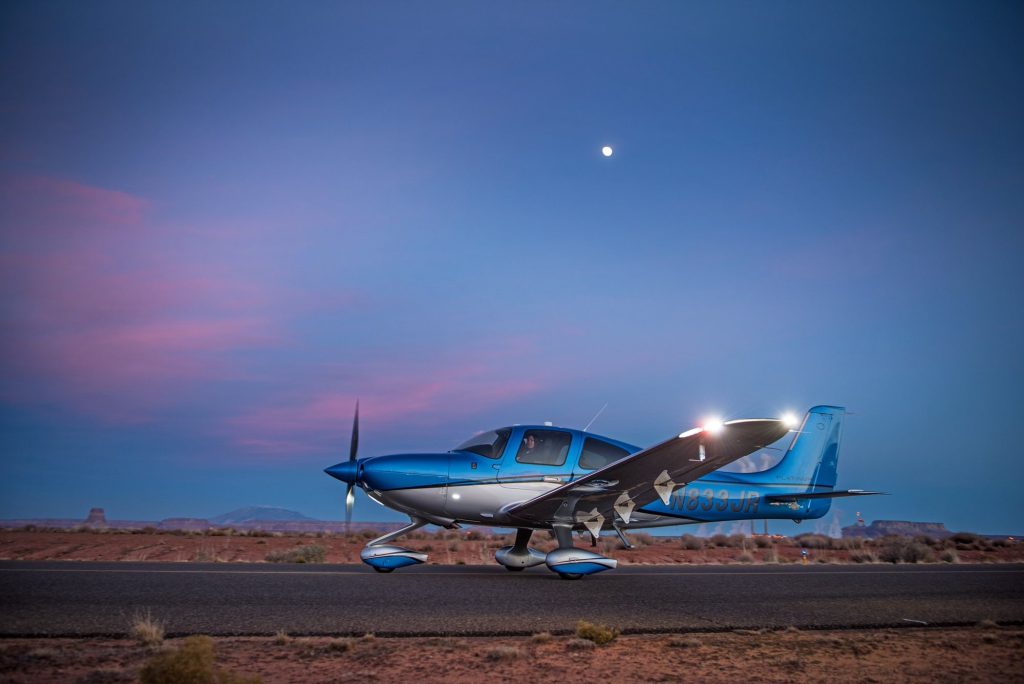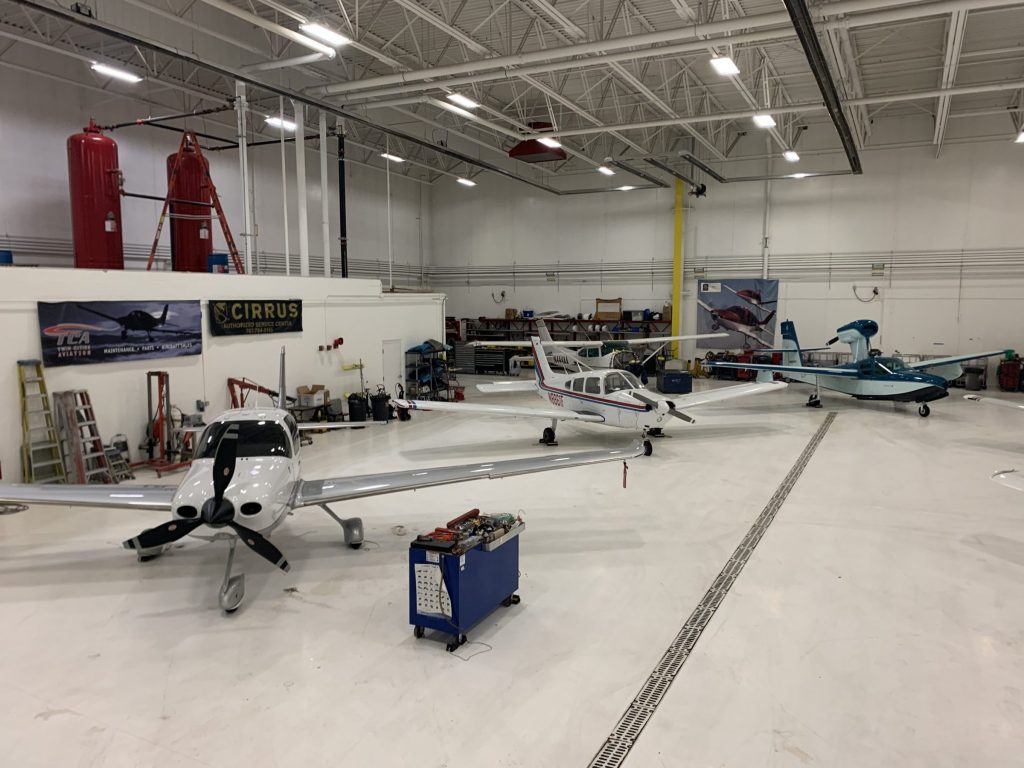
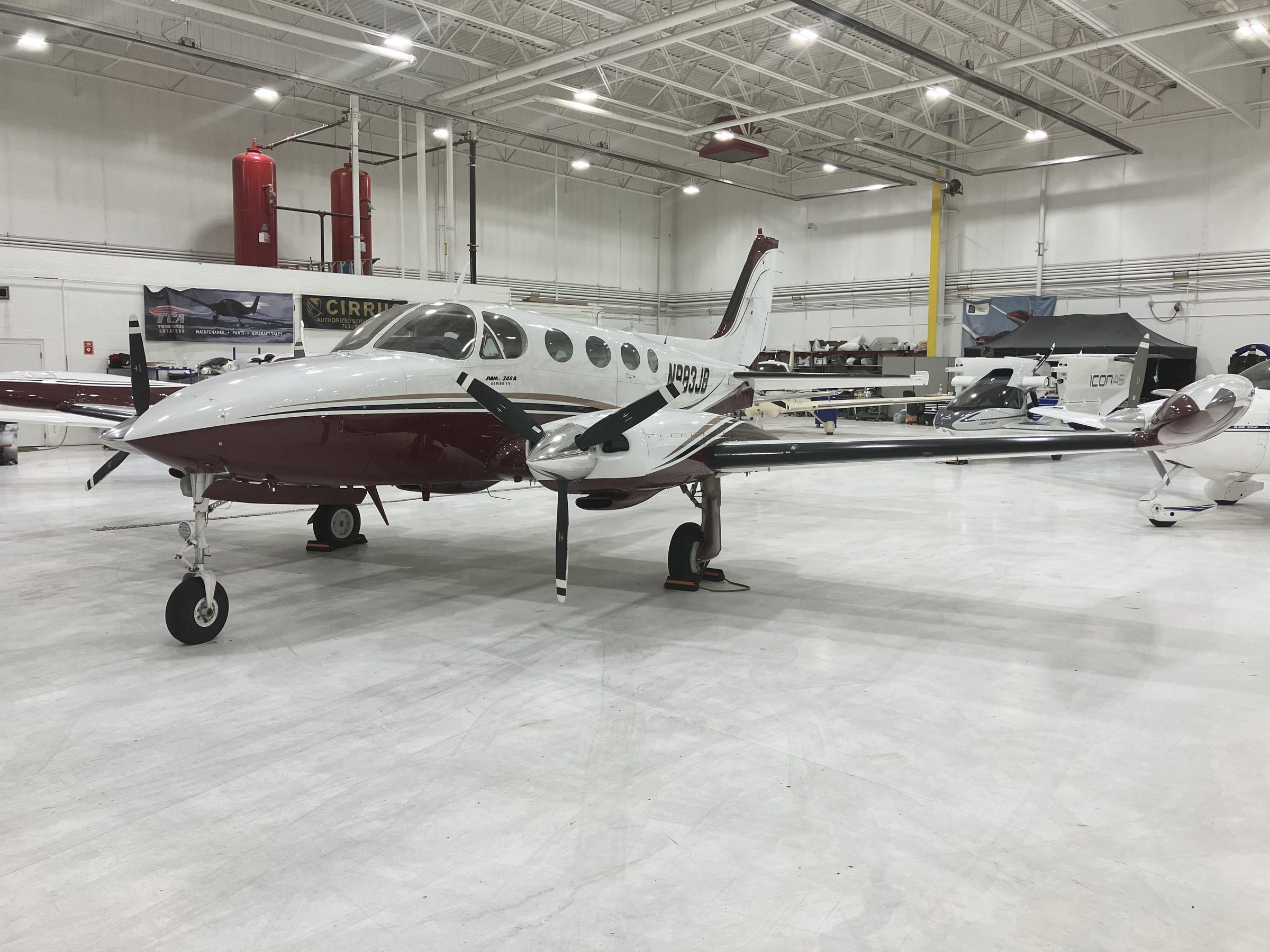
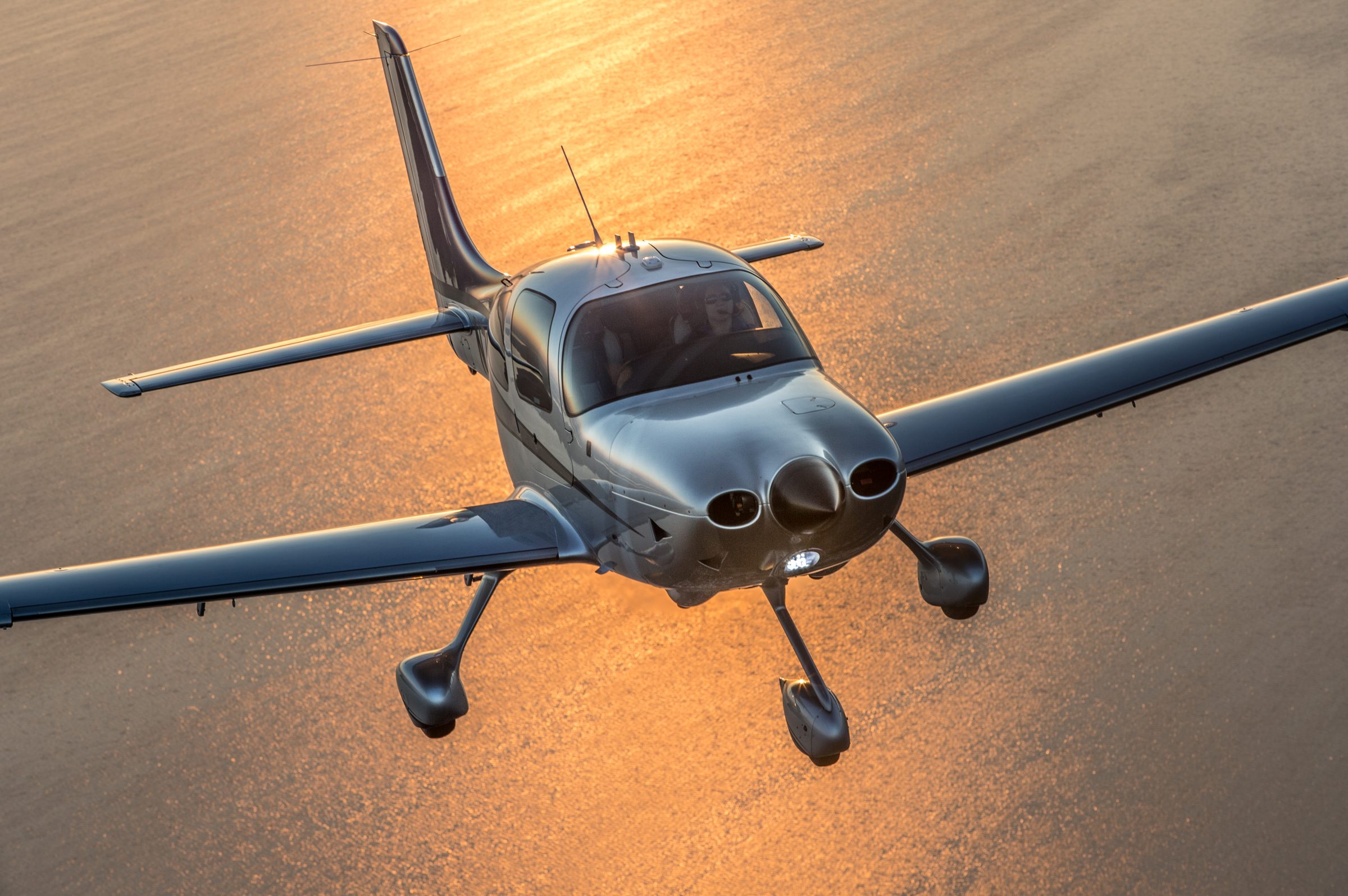
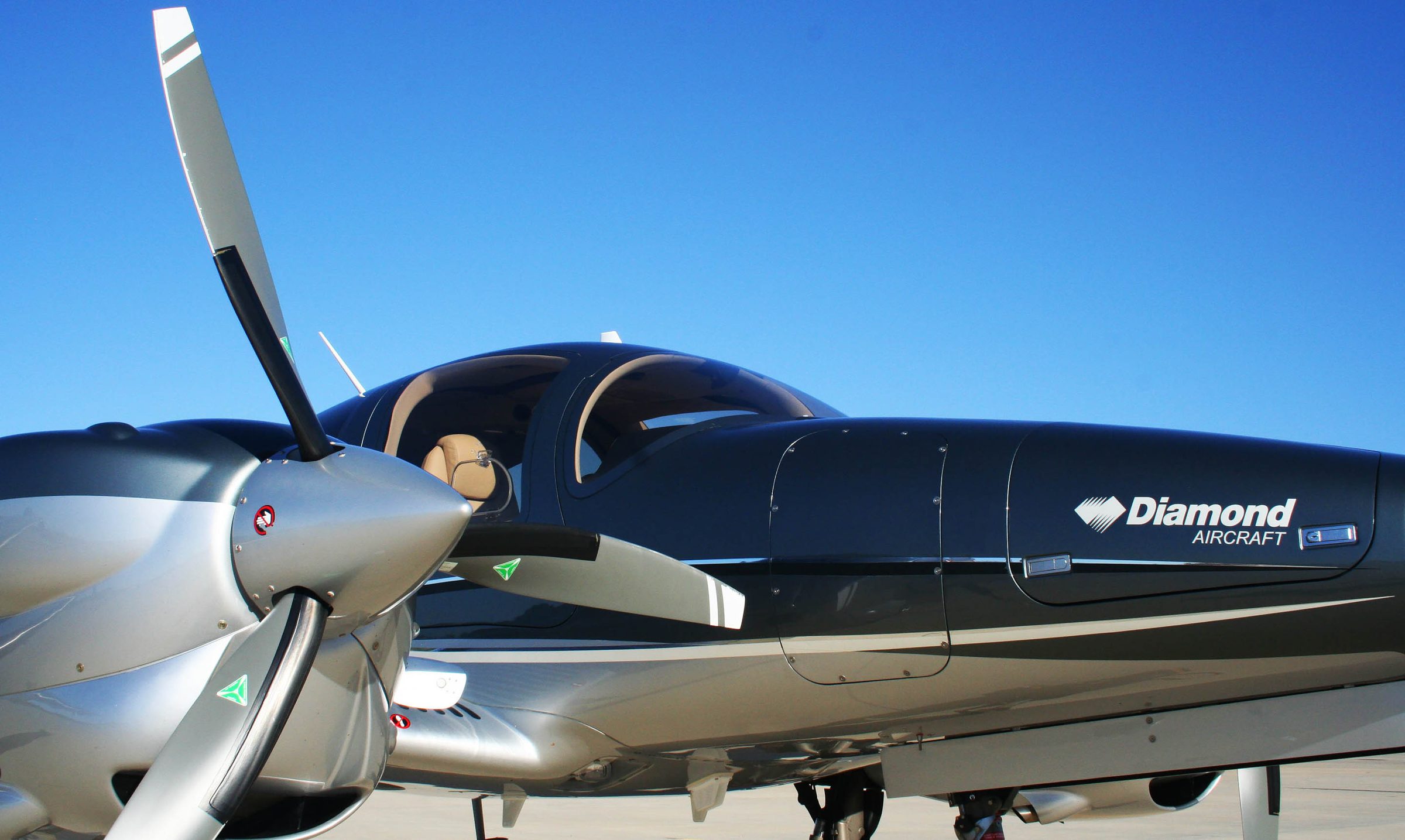
Buying an airplane is exciting right up until the logbooks come out. A pre-purchase inspection, or pre-buy, is how you find out what you are really buying before the money moves. We do a lot of them every year, on Cirrus, twin Cessnas, Diamonds and the piston singles people fly every day. The best pre-buys follow the same pattern: look at the things most likely to kill the deal first, and spend money on the rest of the airplane only once it has earned it.
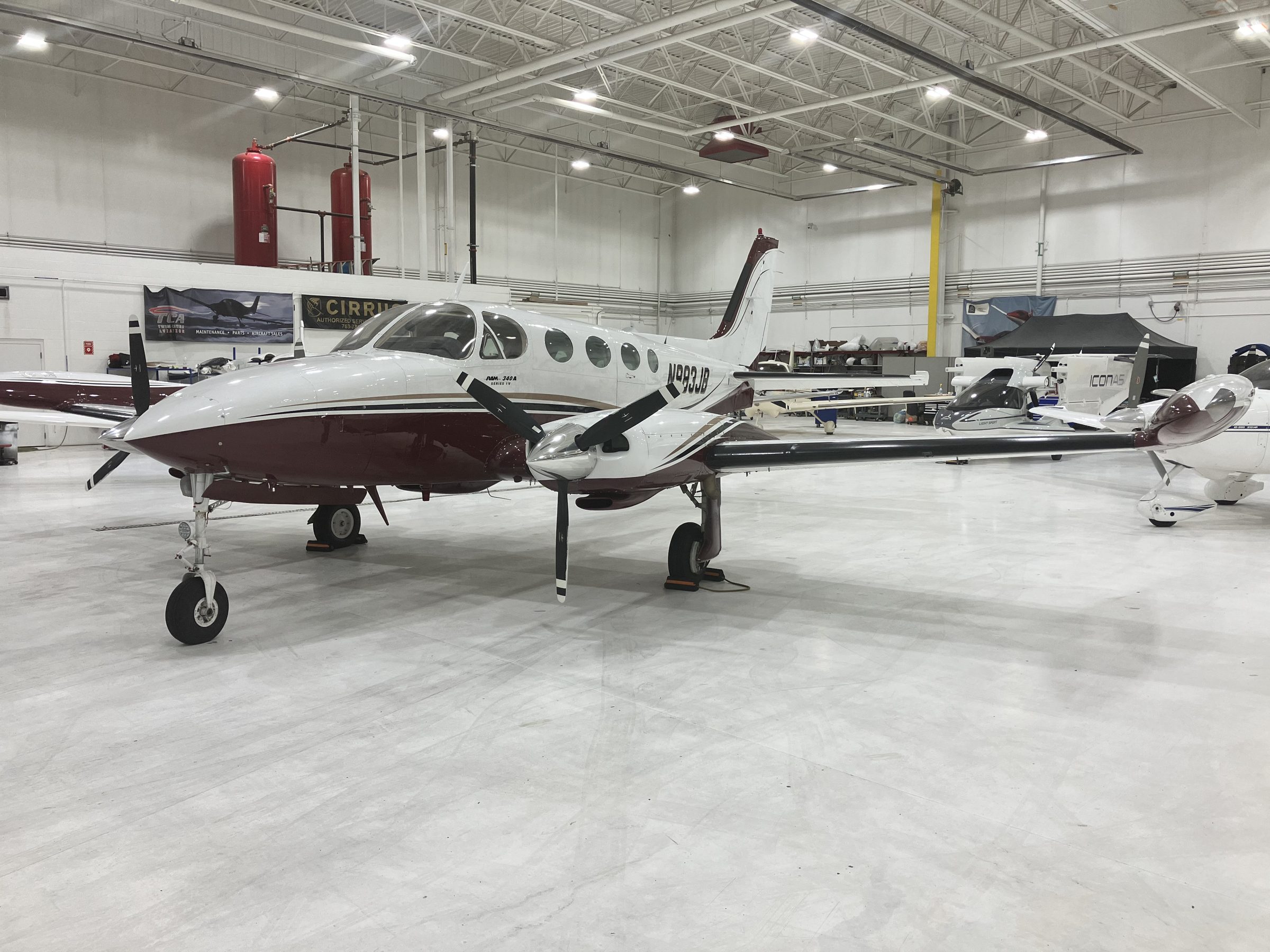
Why a phased pre-buy?
A full inspection of a high-performance single or a cabin-class twin is real work. If an engine has a problem or the records have a hole in them, you want to know that before anyone has spent a day opening up the airframe. So we split the pre-buy into phases, with a decision in the middle:
- Phase 1: records and engines. We review the logbooks and evaluate the engine, or both engines on a twin.
- Decision point. We go over the Phase 1 findings with you, with photos. Continue, renegotiate, or walk away.
- Phase 2: airframe and systems. The rest of the airplane, only if you want to keep going.
- Report. Findings with photos, sorted by how much they matter, ready for your conversation with the seller.
If Phase 1 turns up a deal-breaker, you have paid for Phase 1 and nothing more. If it comes back clean, you go into Phase 2 knowing the most expensive parts of the airplane are sound.
Phase 1: records and engines
The records
Logbooks tell the story of an airplane, and gaps in that story cost money. We read the airframe, engine and propeller logs, back to new where they exist, and look for:
- Airworthiness directive compliance, including recurring ADs and how they were complied with
- Major repairs and alterations: Form 337s, STCs and any damage history
- Engine and propeller times against overhaul limits, both hours and calendar
- Missing logbooks, unexplained gaps, and long periods of sitting
- Life-limited and calendar items, such as Cirrus CAPS parachute and rocket dates
The engines
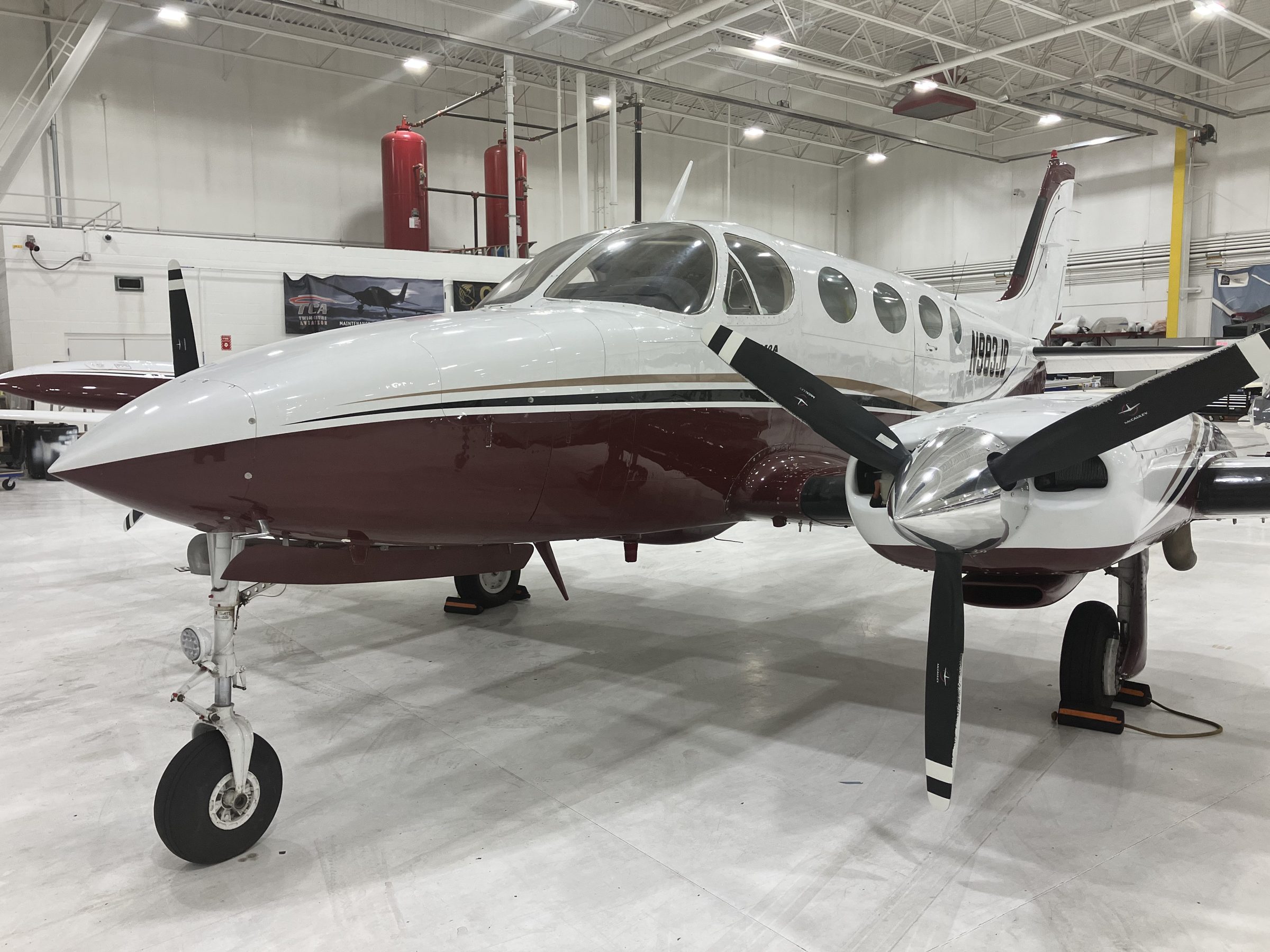
On a piston airplane, the engine is usually the single most expensive part. On a twin, there are two of them. Phase 1 includes:
- A differential compression check on every cylinder
- A borescope inspection of every cylinder, looking at valves, cylinder walls and pistons, with images you can keep
- An oil filter cut and inspection for metal
- An inspection of the engine compartment, mounts, exhaust and, where fitted, the turbocharger system
- A ground run
The decision point
This is the step that saves buyers money. We call you, walk through the Phase 1 findings with photos, and give you our honest read. Low compression on one cylinder may be a quick fix or the start of a bigger conversation. A missing AD entry may just need paperwork, or it may mean real work. You decide what happens next:
- Continue to Phase 2 if the airplane still looks like the one.
- Renegotiate with the seller before going further.
- Walk away having spent only the cost of Phase 1.
Phase 2: airframe and systems
If you continue, we inspect the rest of the airplane with the same care we give our customers’ aircraft at annual:
- Structure and corrosion, inside and out
- Flight controls, cables, pulleys and rigging
- Landing gear, brakes and tires
- The fuel system, including tanks or fuel cells
- The electrical system and lighting
- Avionics and autopilot ground checks
- Model-specific items: composite structure and CAPS on a Cirrus; de-ice equipment and pressurization history on a twin Cessna
What you get
A written list of findings with photos, sorted so the important items stand out:
- Airworthiness items: things that must be fixed for the airplane to be legal to fly
- Safety and recommended items: things we would want fixed on our own airplane
- Condition notes: wear, cosmetics and what to plan for
If you ask, we will estimate the work so you can price it into the deal. A good pre-buy report is a negotiating tool, not just a pass or fail.
How to set one up
- Get the right to a pre-buy in writing. Your purchase agreement should make the sale subject to a pre-buy by the shop you choose.
- Line up the seller. You need permission to inspect, and all of the logbooks and records need to come with the airplane.
- Get the airplane to us. The seller or broker flies it to Anoka County–Blaine Airport (KANE), or you arrange a ferry pilot.
- Send us the basics. Use the request form on our pre-buy page, email us, or call. We confirm the schedule and quote each phase before we start.
A few things we always tell buyers
- Use a shop that works for you. The seller’s regular shop knows the airplane, but a fresh set of eyes working for the buyer is the point of a pre-buy.
- A pre-buy is not an annual. It answers “should I buy this airplane, and at what price?” If you buy it, plan the annual separately. We are happy to do it.
- No surprise repairs. We do not start repairs during a pre-buy unless both buyer and seller agree.
- Take the test flight. Fly the airplane, or have a qualified pilot fly it, and check the avionics and autopilot in the air.
Shopping for a Cirrus, a twin Cessna, a Diamond or a piston single? Request a phased pre-purchase inspection and we will reply within one business day.