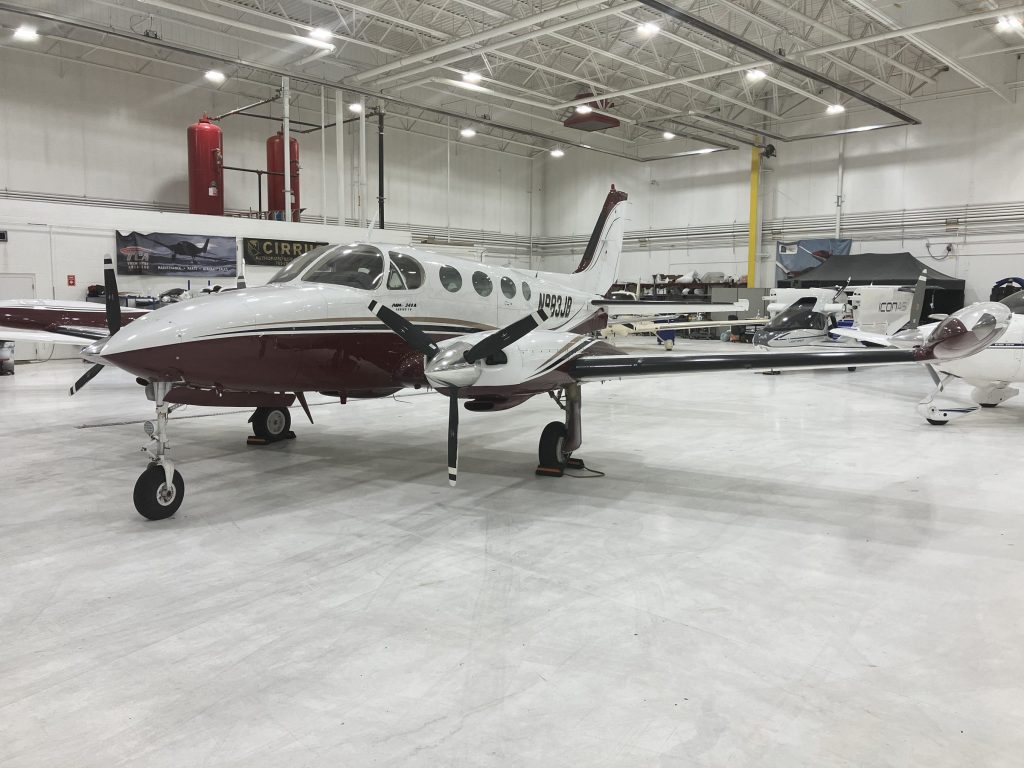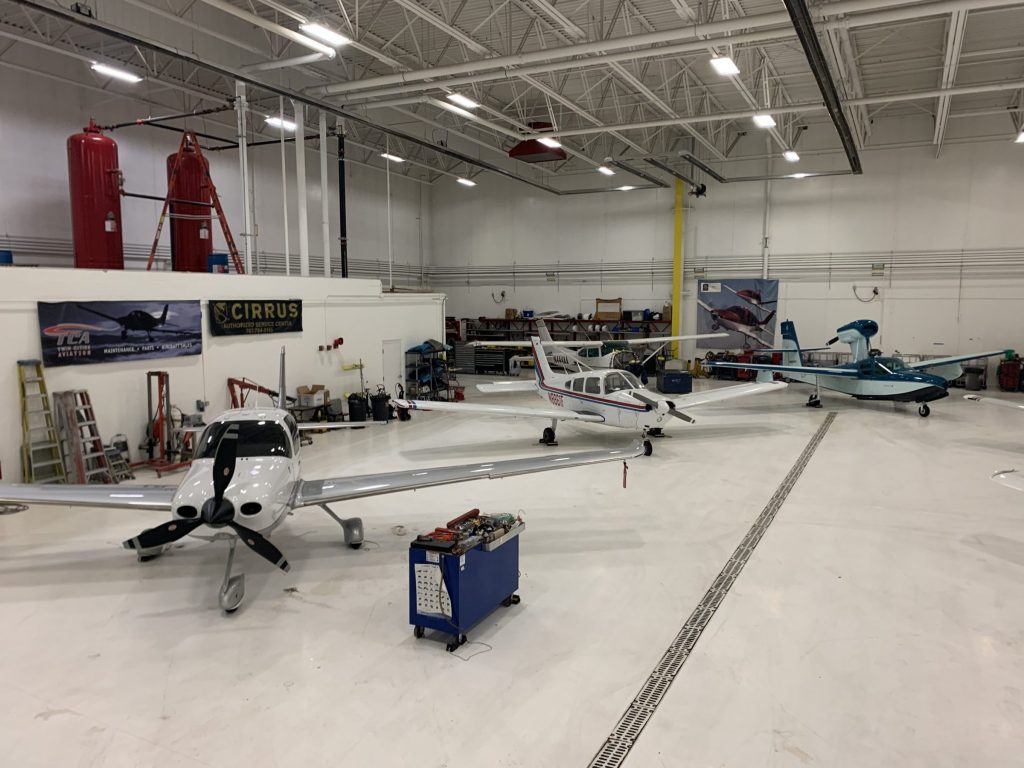
Twin Cities Aviation became a Cirrus Authorized Service Center in 1999 — one of the first in the country — the same year the first SR20s reached customers. We have had Cirrus aircraft on our hangar floor ever since, from early six-pack SR20s to the latest G7s. This is our owner’s guide to the SR series: where it came from, how each generation changed, and what each one means when it rolls into a maintenance shop.
From a Wisconsin barn to Duluth
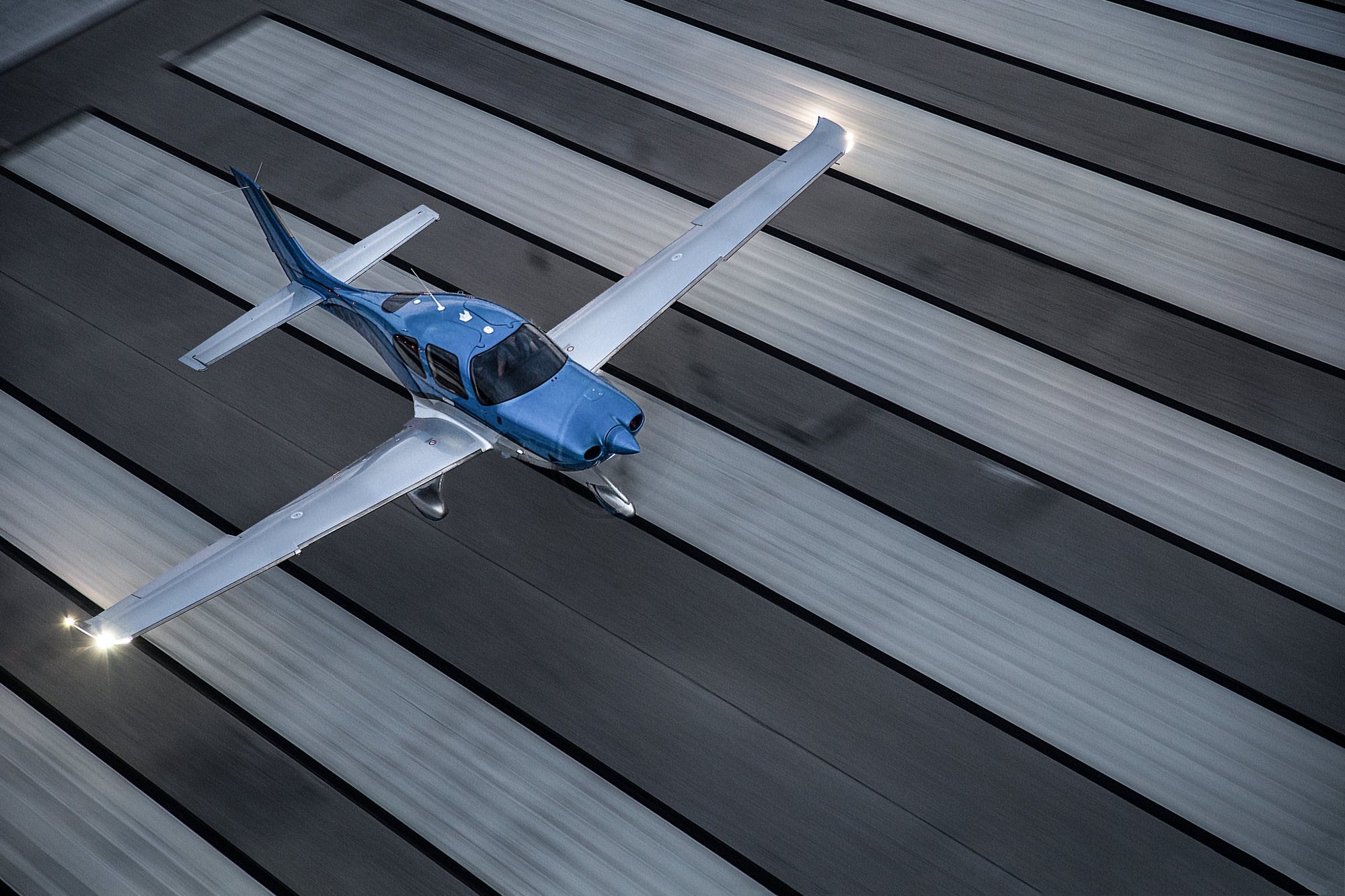
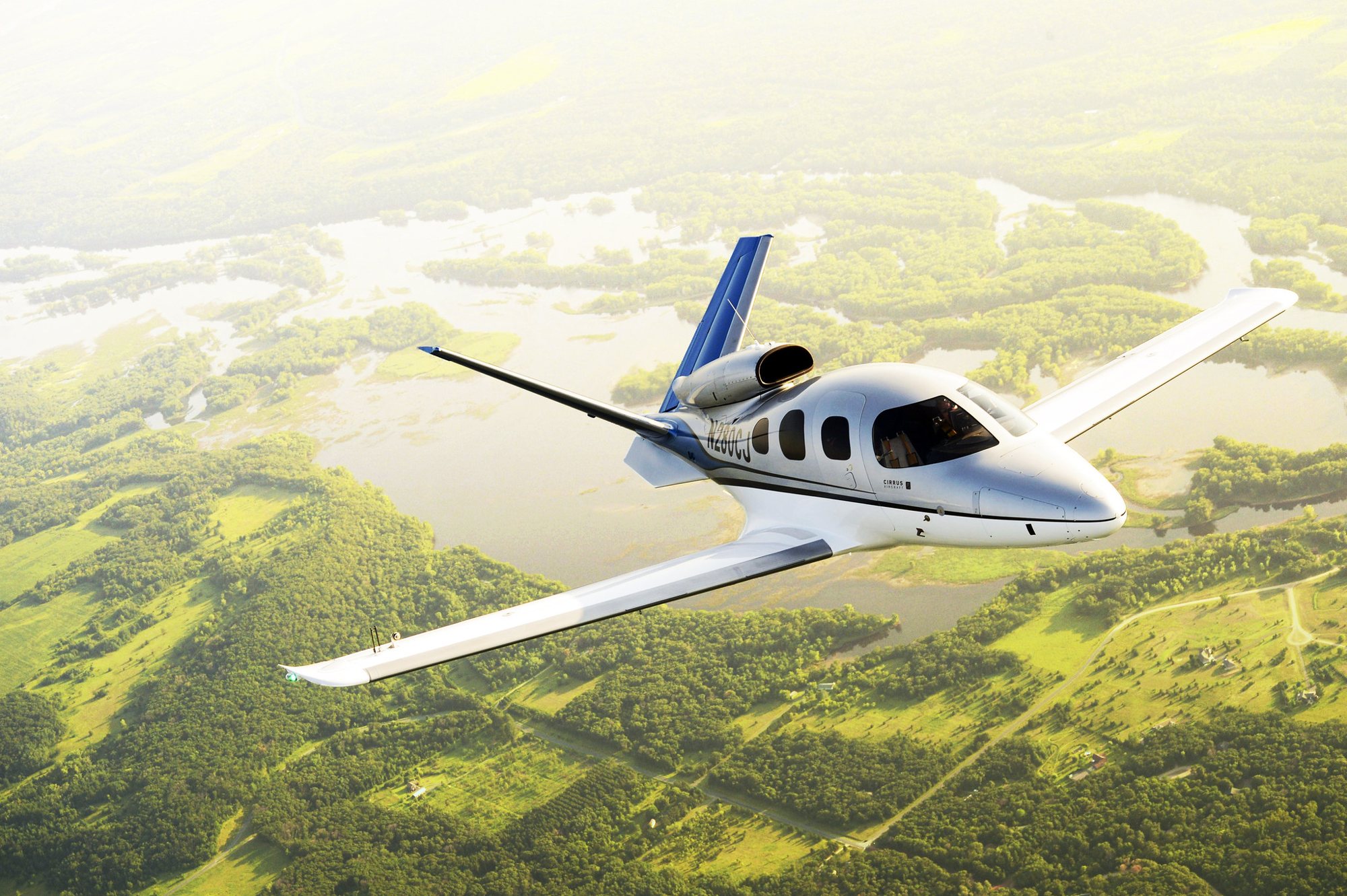
Brothers Alan and Dale Klapmeier founded Cirrus in 1984, in a barn on their parents’ farm near Baraboo, Wisconsin. Their first airplane, the all-composite VK-30 kit, debuted at Oshkosh in 1987 and first flew in February 1988. Only a handful were built, but it set the pattern that still defines Cirrus: composite construction, clean aerodynamics and a focus on safety. In the mid-1990s the company moved to Duluth, Minnesota — still its headquarters — and turned its attention to a certified airplane.
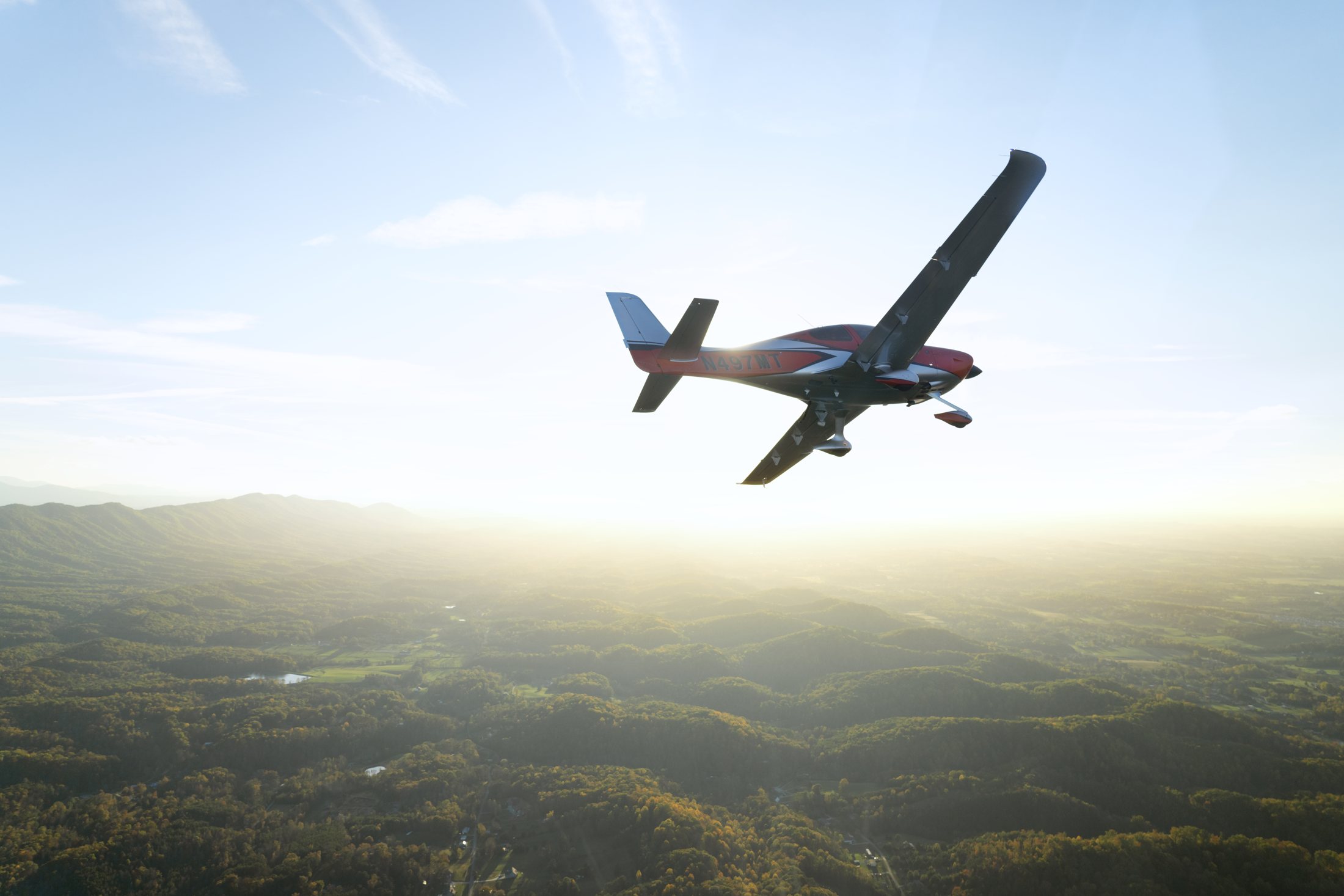
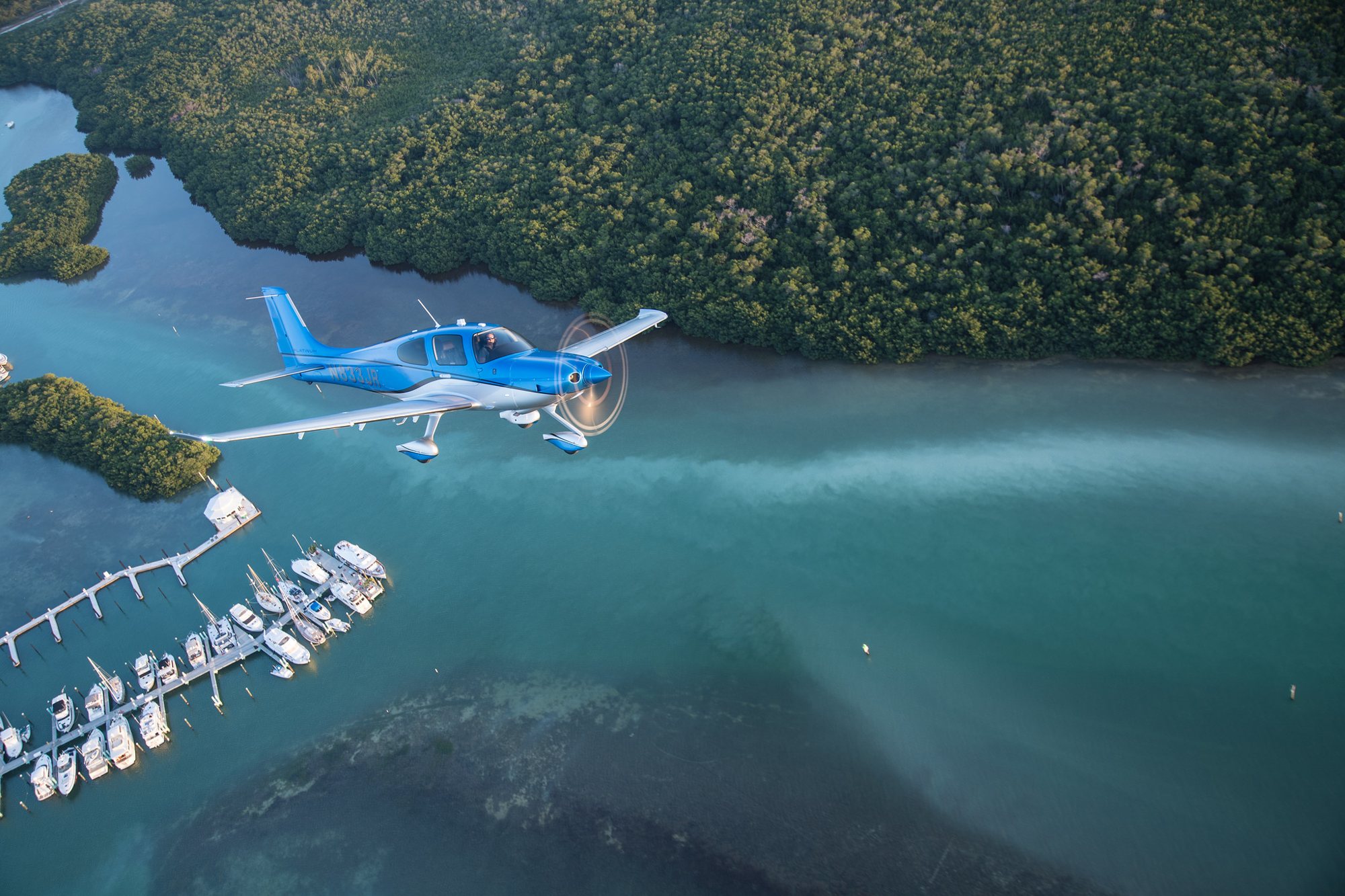
That airplane was the SR20, certified in October 1998. It combined ideas no production piston airplane had brought together: an all-composite airframe with a protective roll cage, a cuffed wing that keeps the ailerons working near the stall, side-stick controls, a large multifunction display and, most famously, the Cirrus Airframe Parachute System (CAPS). The more powerful SR22 followed in 2001 and went on to become the best-selling general aviation airplane of its era.
The family
Generation by generation
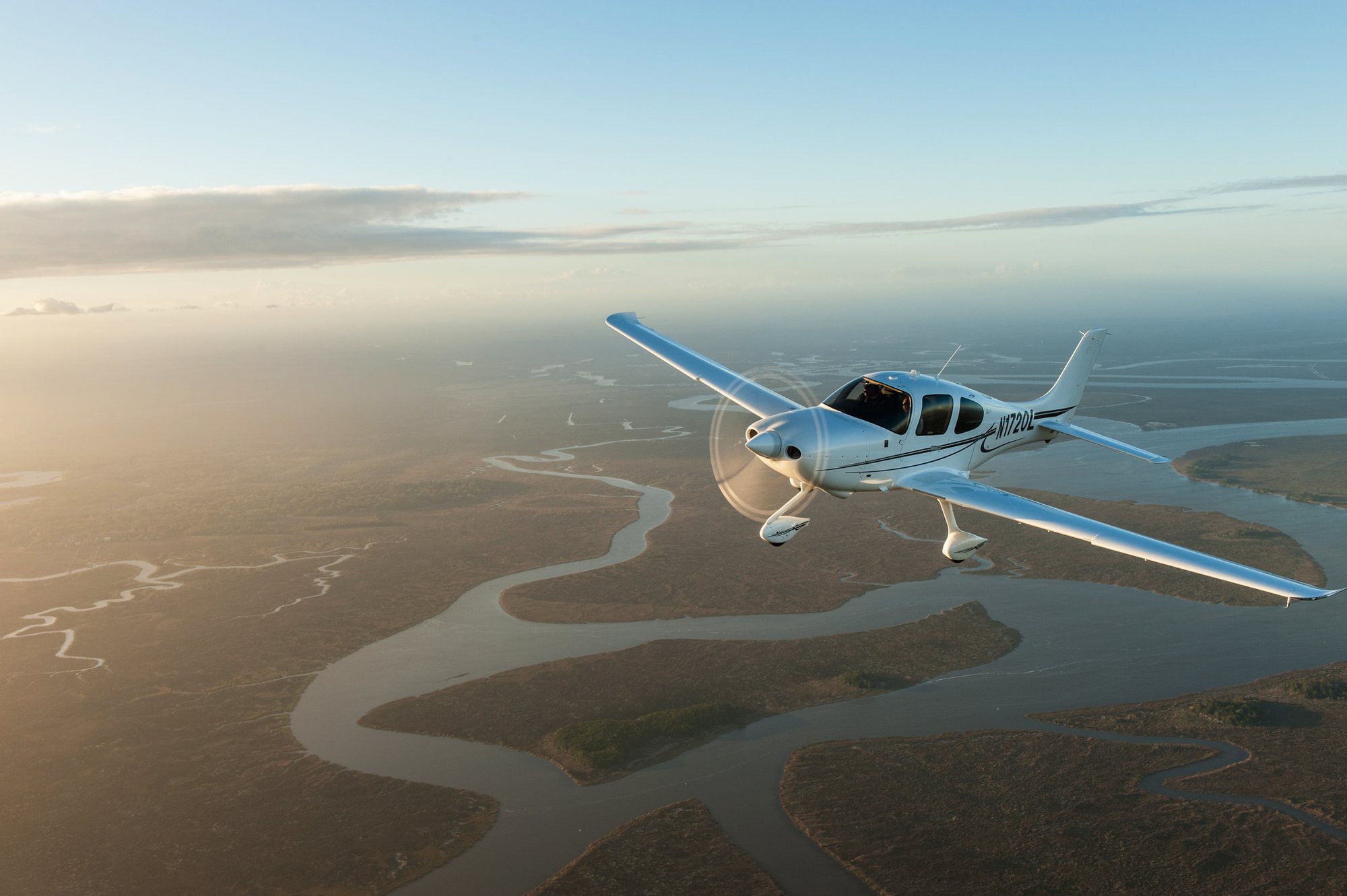
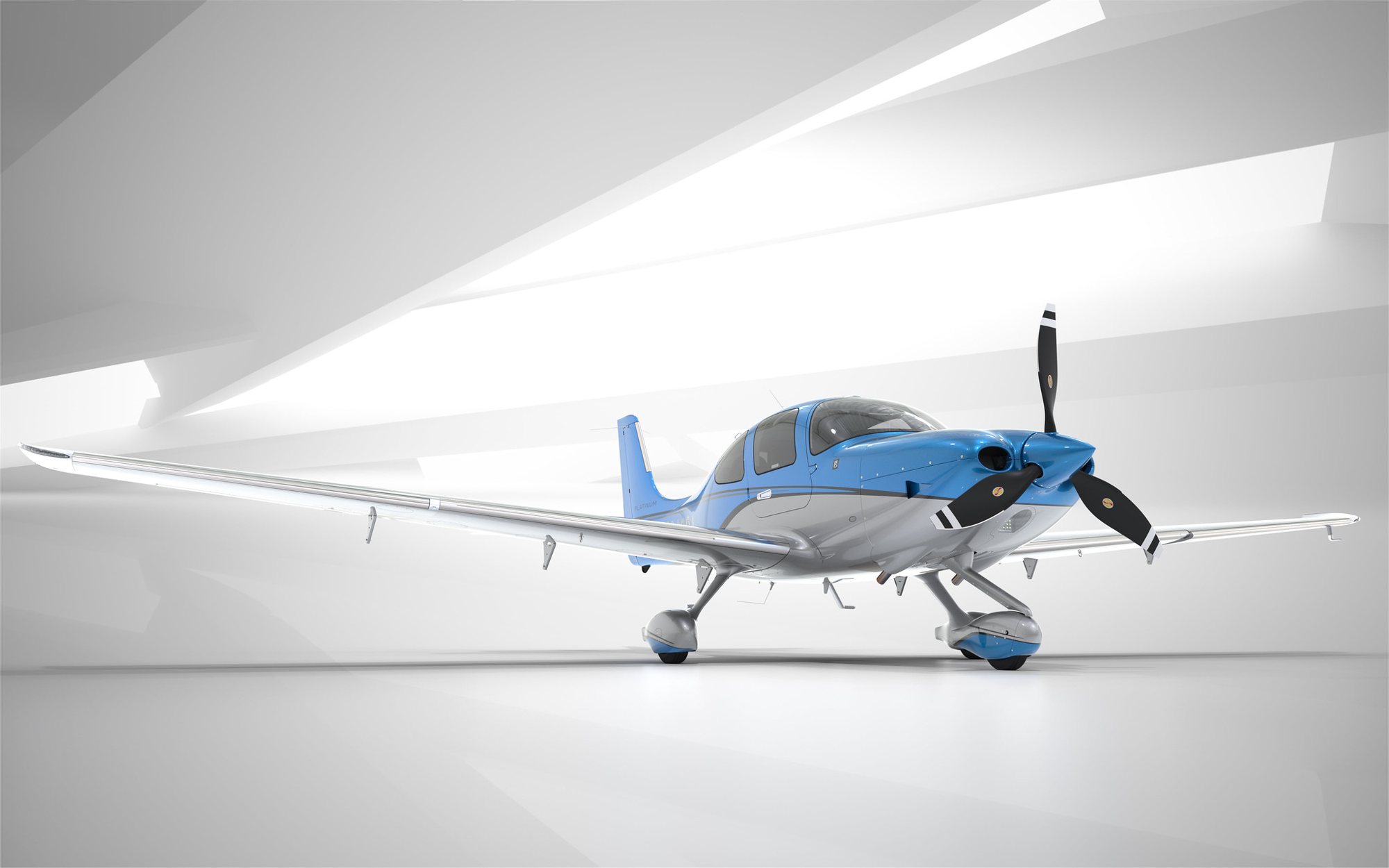
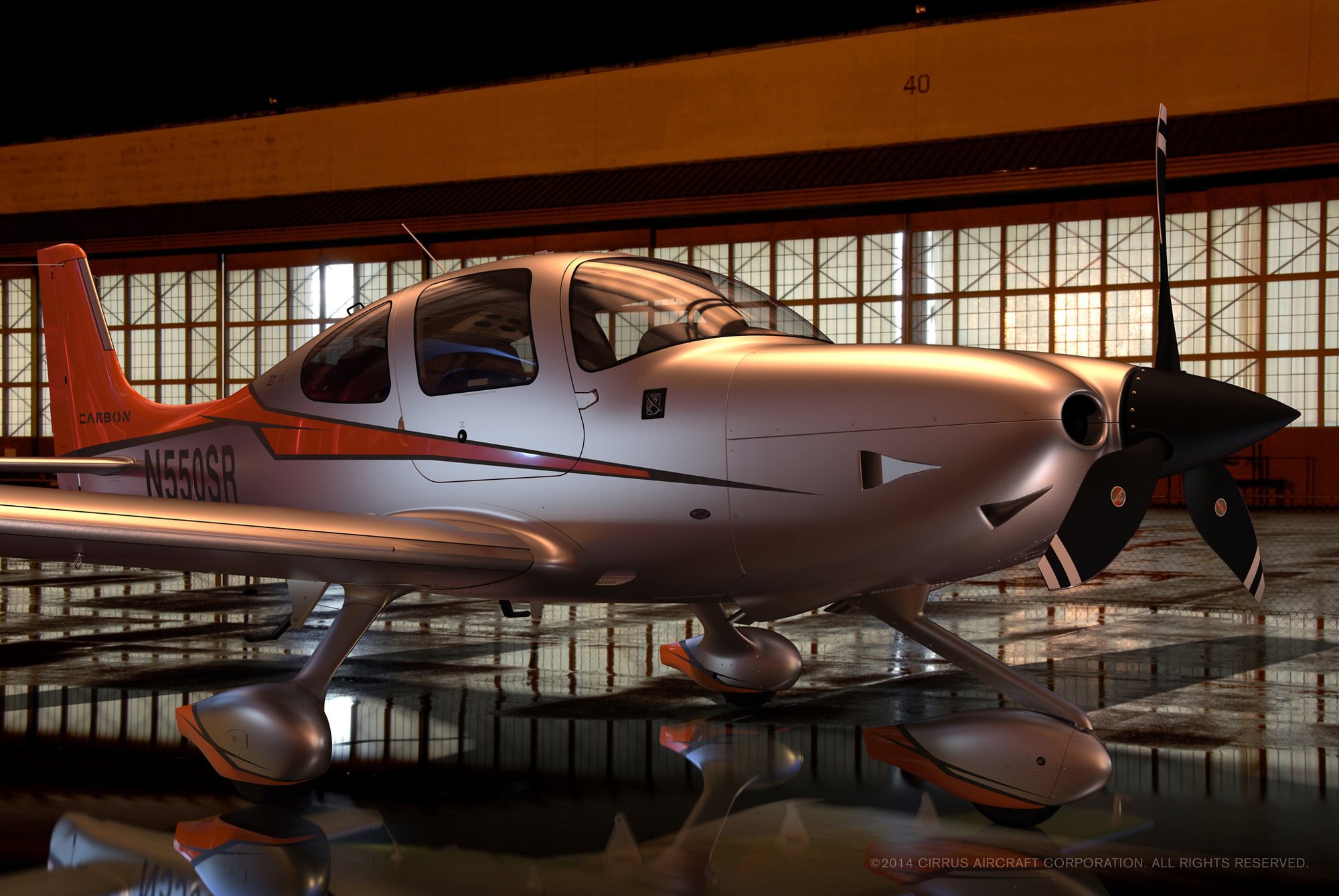
Cirrus changed a great deal from one generation to the next, and plenty within each one. Here are the milestones owners and buyers ask us about most.
The originals
Early SR20s and SR22s flew with a conventional “six-pack” of instruments and an ARNAV multifunction display, sold in A, B and C avionics configurations with Garmin 430s and S-TEC autopilots. The SR22 arrived in 2001 with 2.5-foot wingtip extensions, 81 gallons of fuel, dual alternators and batteries and a three-blade prop. In 2003 Cirrus made the Avidyne all-glass PFD/MFD standard — the first production GA airplane to do it. TKS ice protection became an SR22 option late in 2002.
G1s are often the most affordable way into a Cirrus, and many have had their avionics upgraded since.
New tooling, safer structure
Built on new factory tooling, the G2 added a beveled firewall for crash protection, a six-point engine mount to cut vibration, redesigned cowl inlets, a Hartzell scimitar propeller, push-button door latches and a split lower cowl for easier access. AmSafe seatbelt airbags became standard in 2005, and a late-2005 electrical update — the MCU130, a new data acquisition unit and a 100-amp alternator — made the airplanes markedly more reliable. This era also produced the fully loaded “GTS” models and the turbo-normalized Tornado Alley SR22.
A new wing
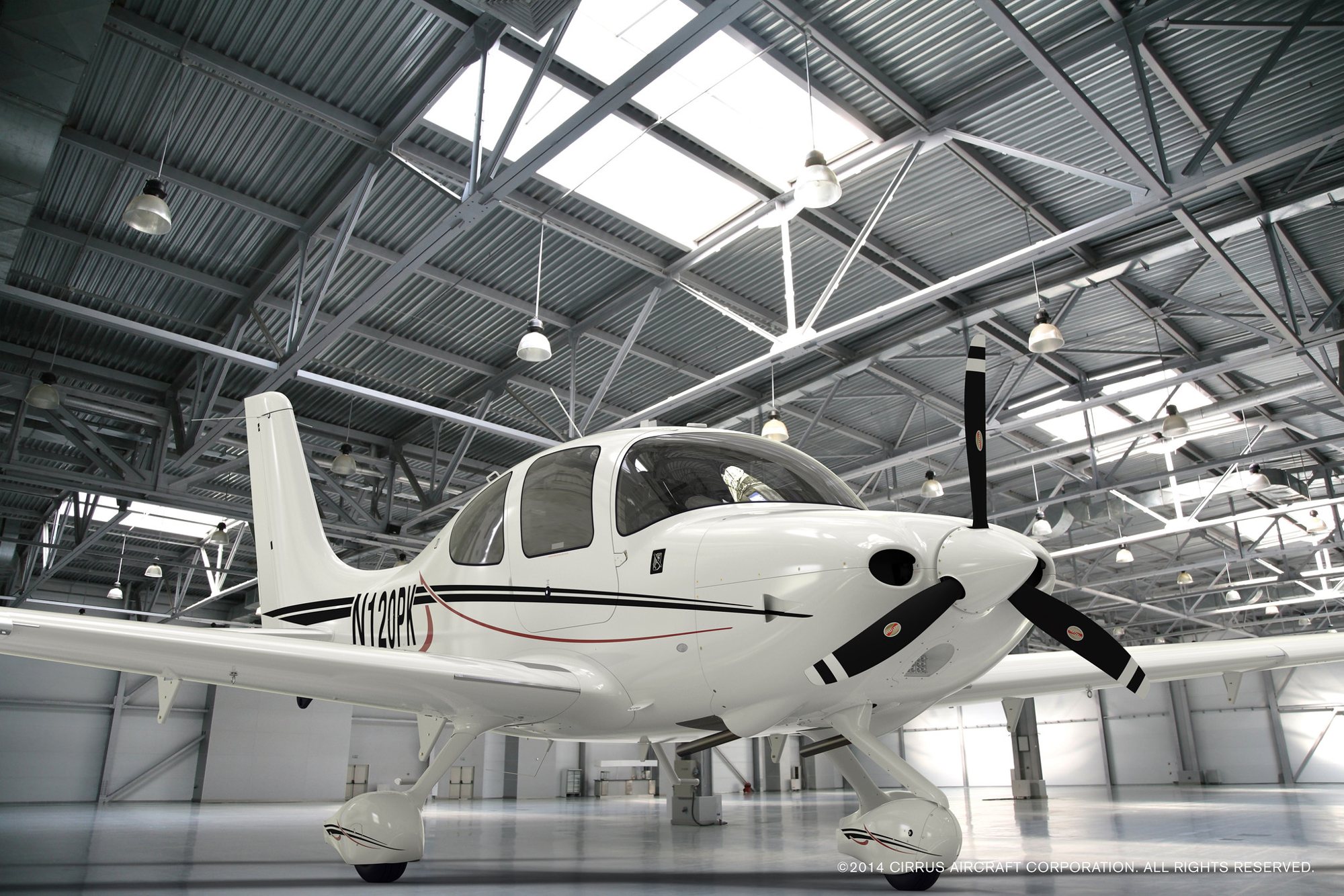
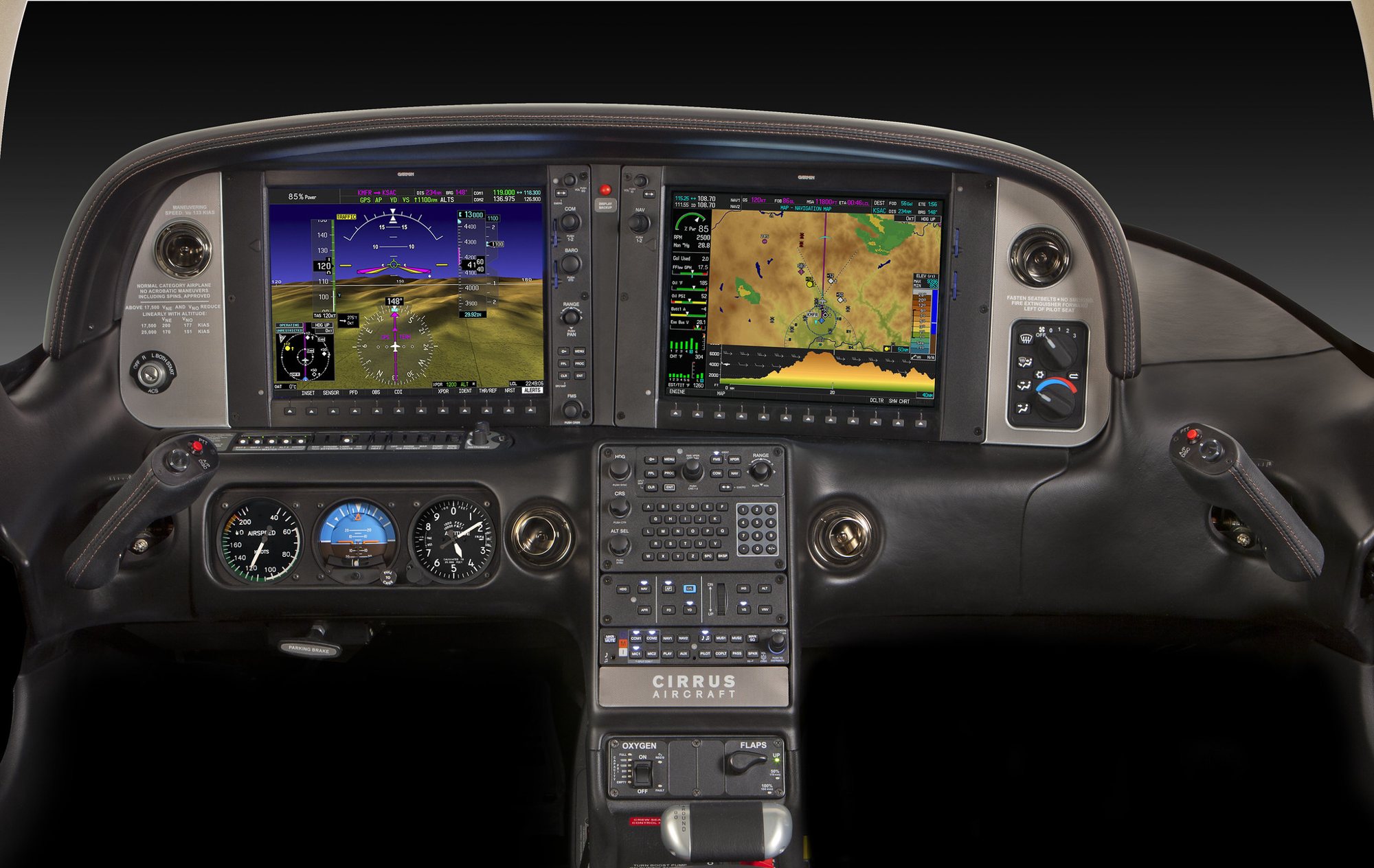
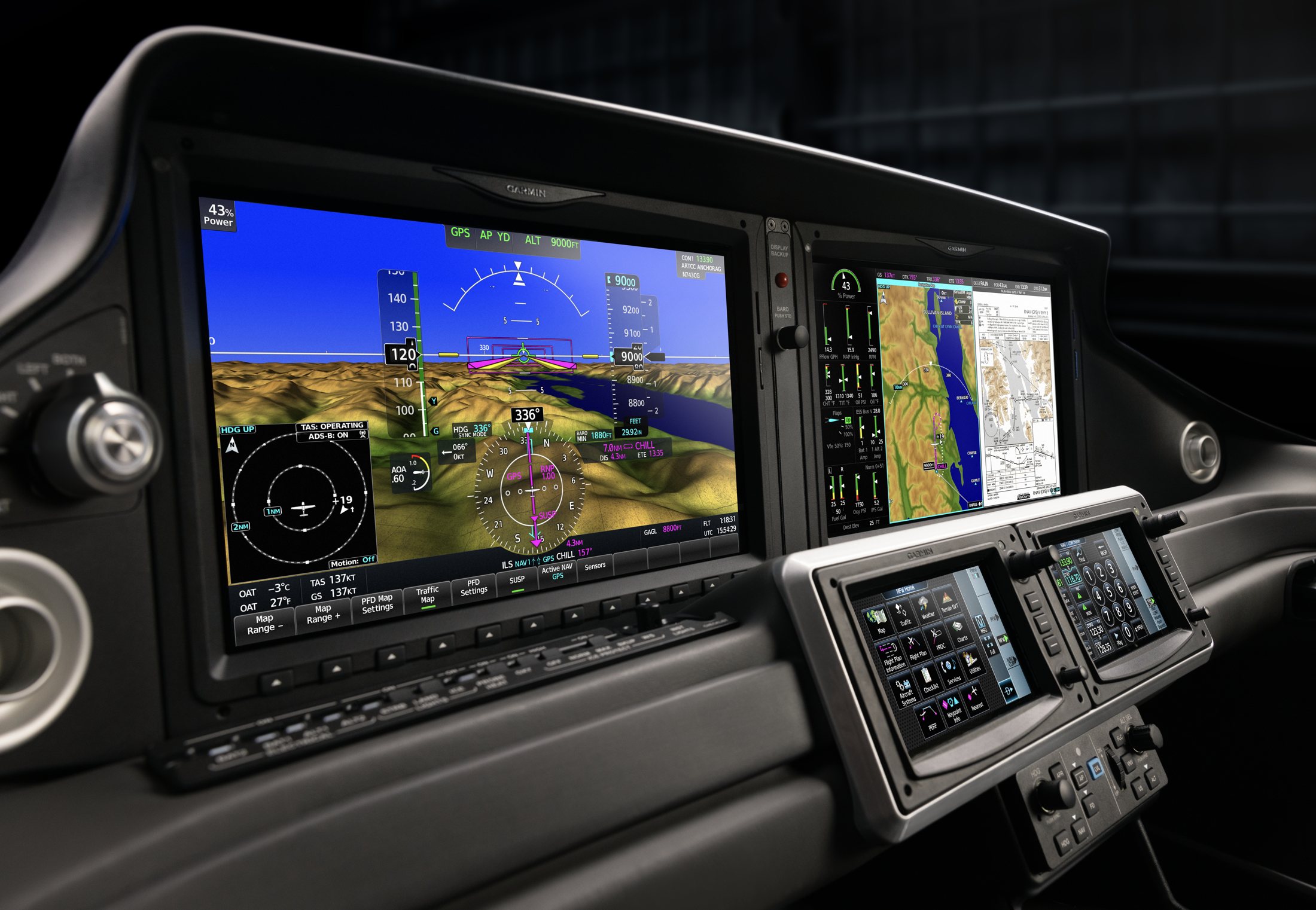
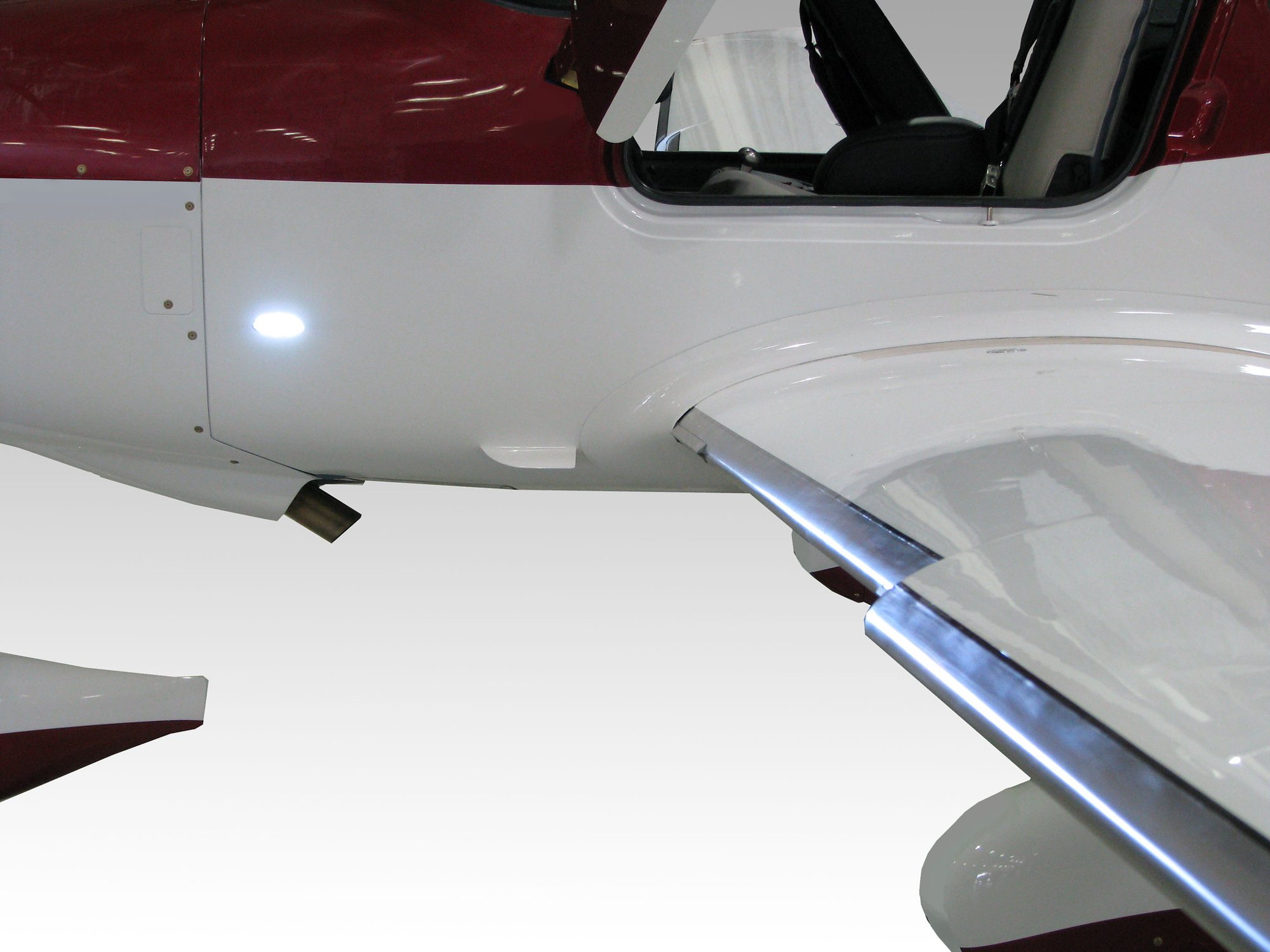
The G3 brought hundreds of changes. Its carbon-fiber wing spar saved 53 pounds; wing dihedral went from 4.5 to 5.5 inches; a wing-root fairing cleaned up the airflow; taller landing gear added propeller clearance; bigger fuel lines and 11 more gallons of usable fuel extended range; and the troublesome aileron-rudder interconnect was eliminated. The SR20 followed in 2008 and stayed on the G3 airframe until the G6. The Garmin-based Cirrus Perspective flight deck arrived during these years, and the SR22T joined the lineup in 2010.
More airplane, bigger parachute
Cirrus skipped “G4.” The G5 SR22 and SR22T gained 200 pounds of gross weight — to 3,600 lb — supported by a strengthened spar, redesigned main gear, a larger parachute with a bigger, electrically fired rocket, and flaps strengthened to extend 50% at 150 knots. Later G5s added Beringer brakes and tubeless tires, a digital standby attitude module and, in 2016, dual-frequency ADS-B, FlightStream connectivity and an angle-of-attack display.
Perspective+ and Spectra
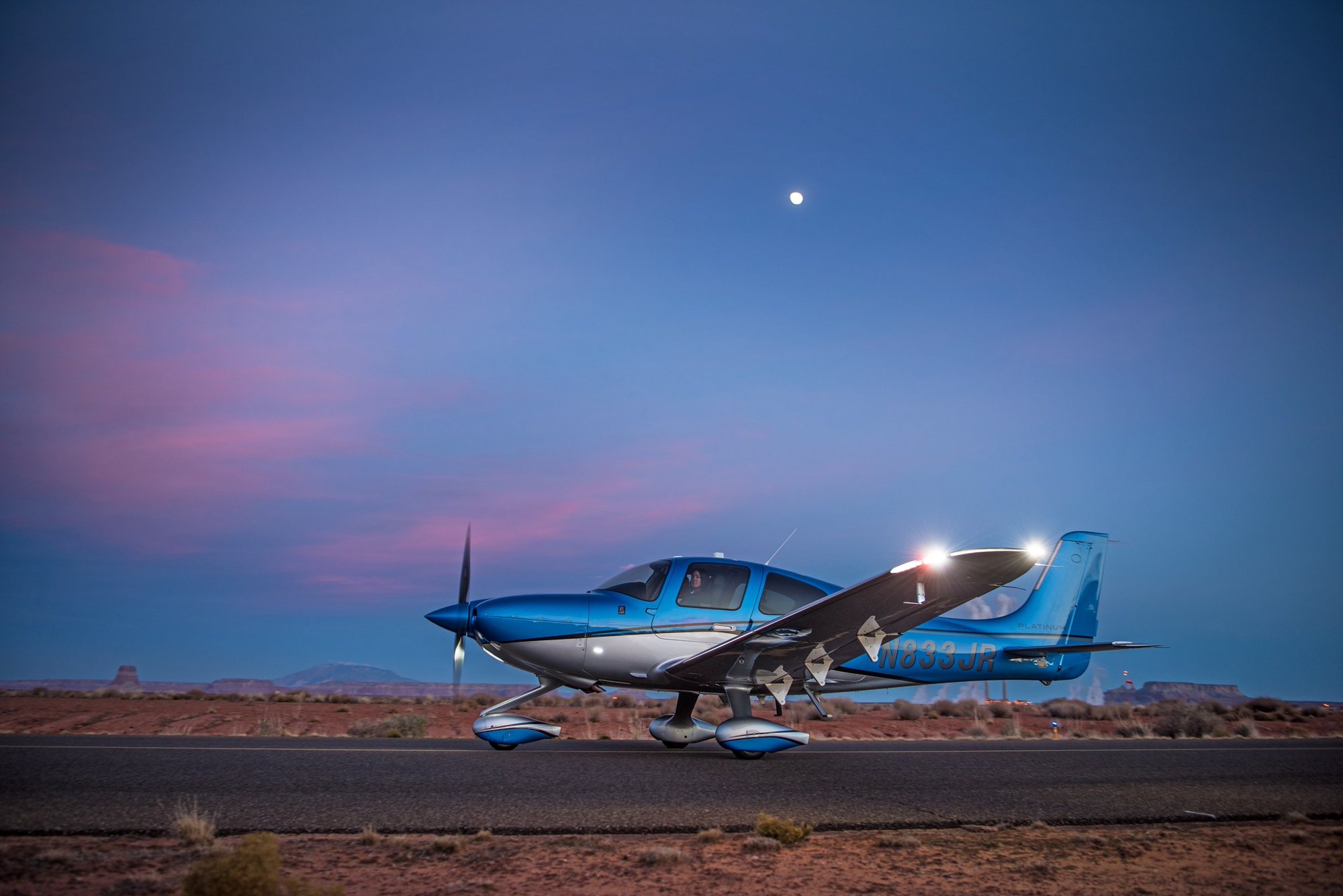
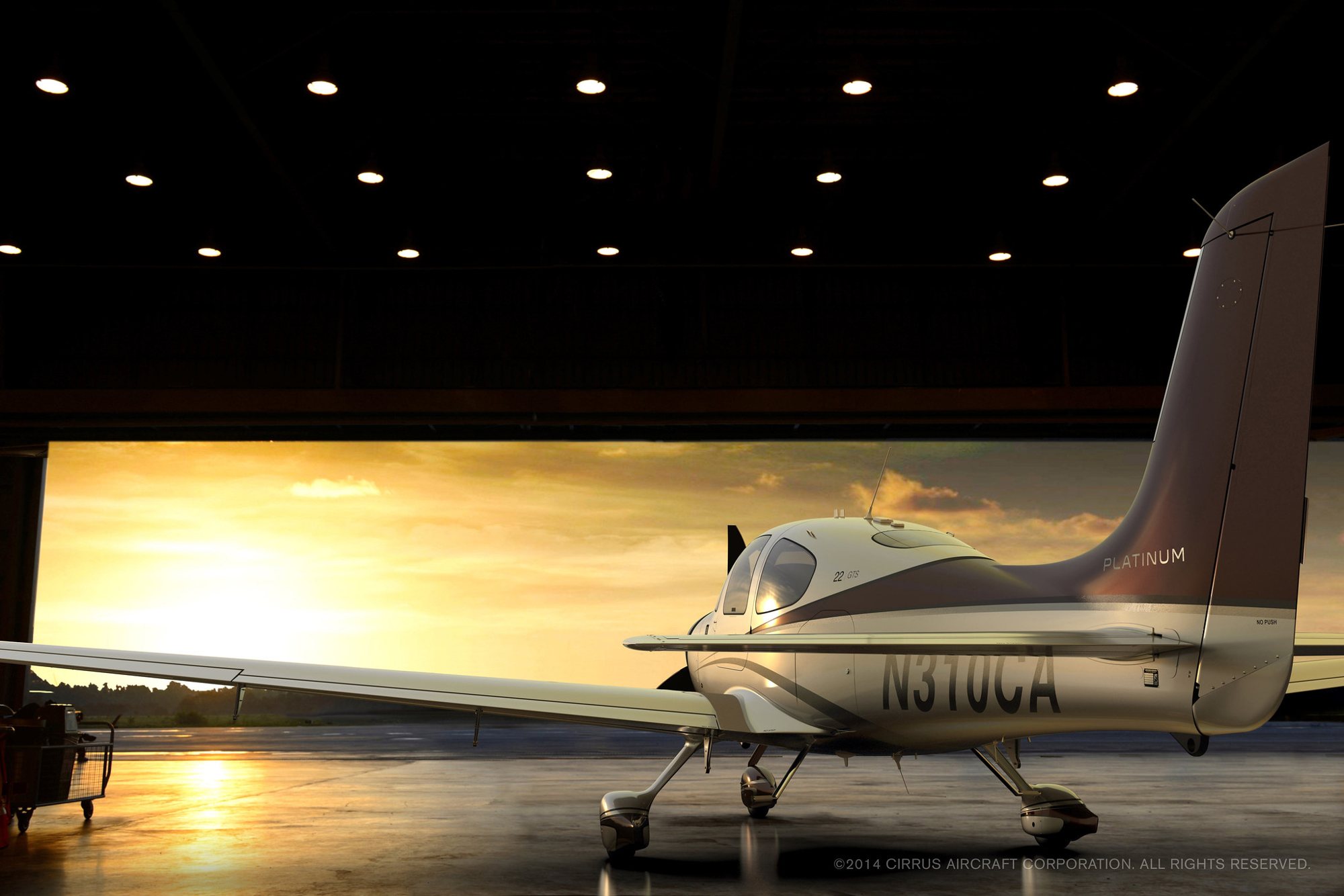
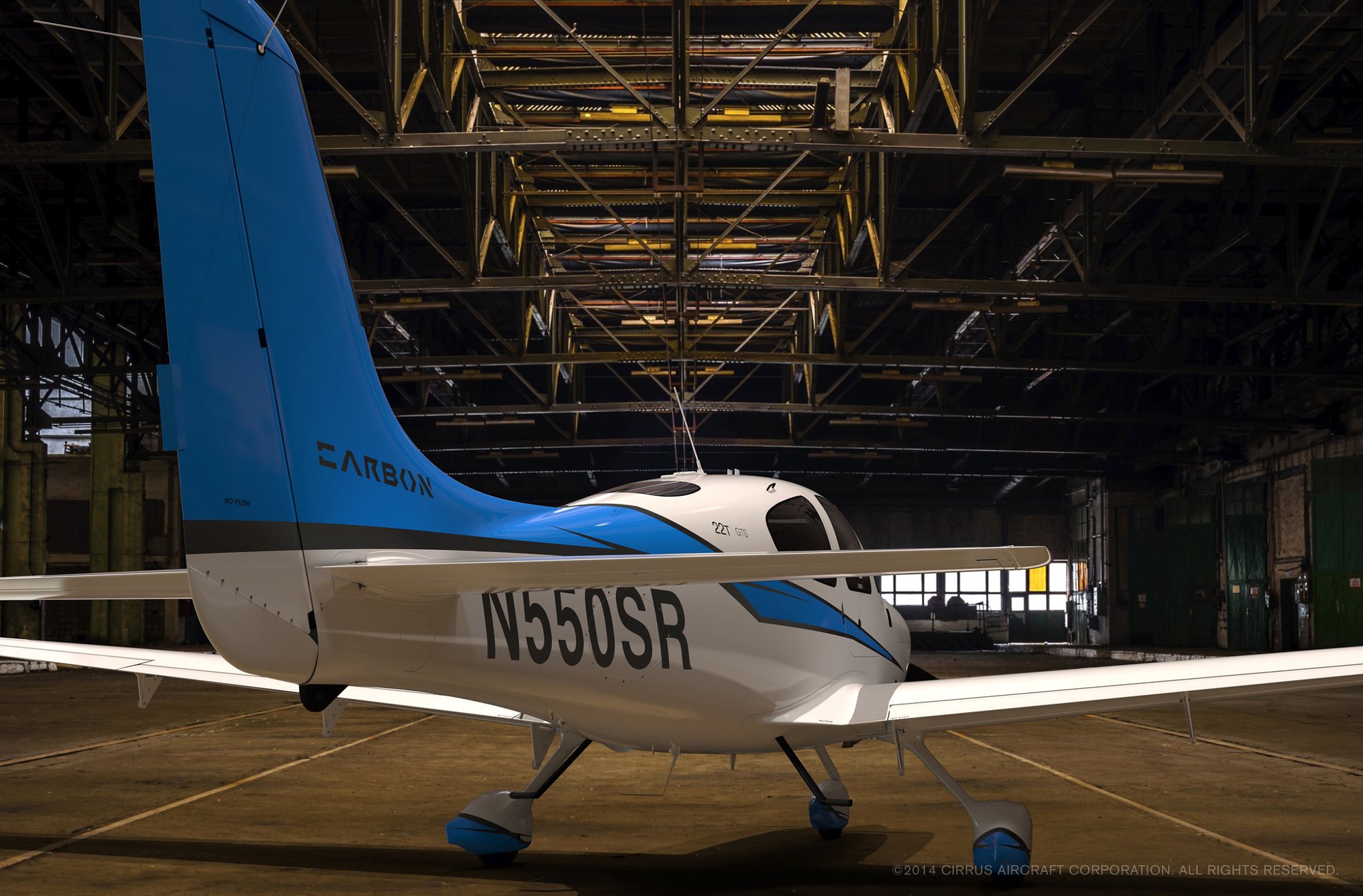
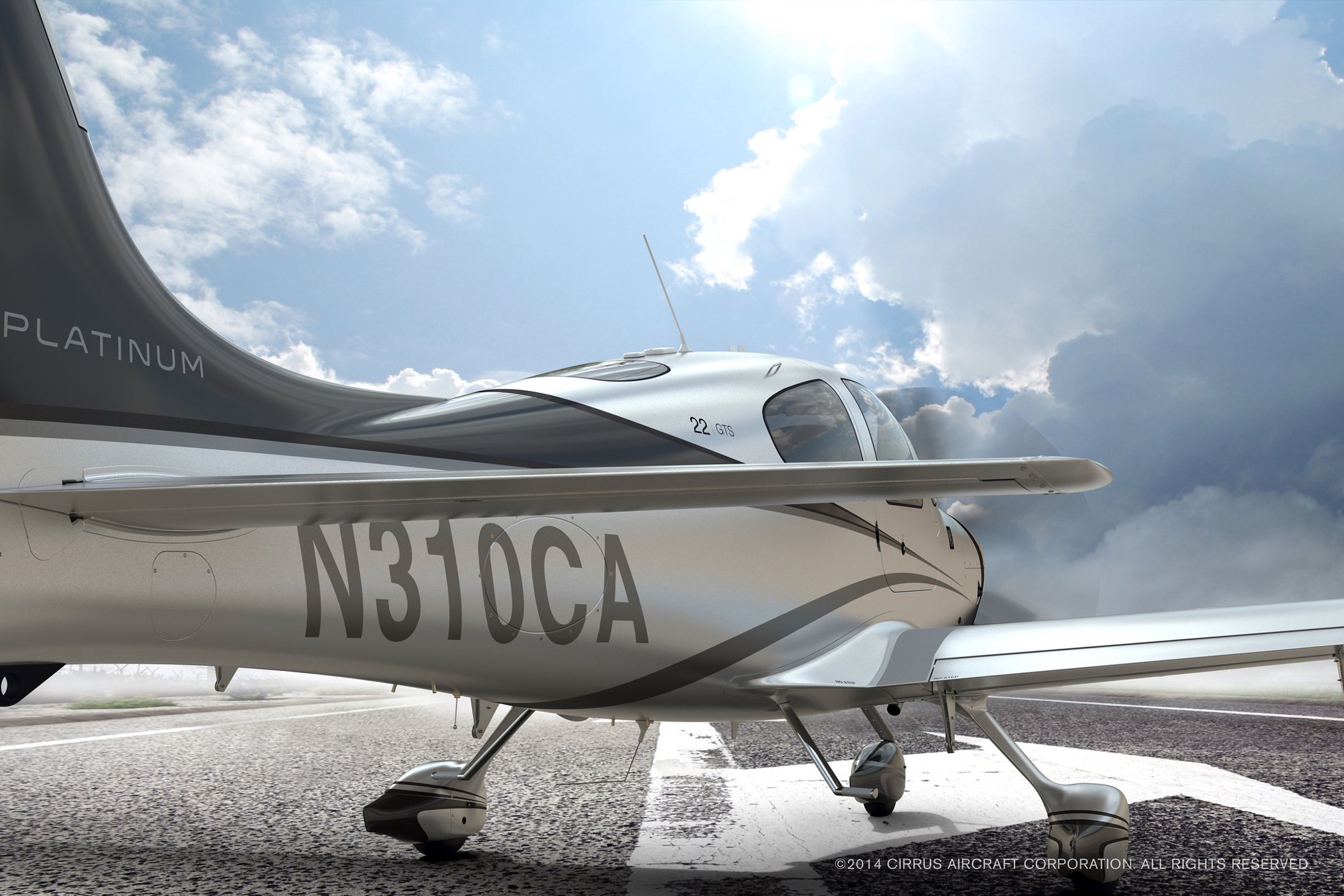
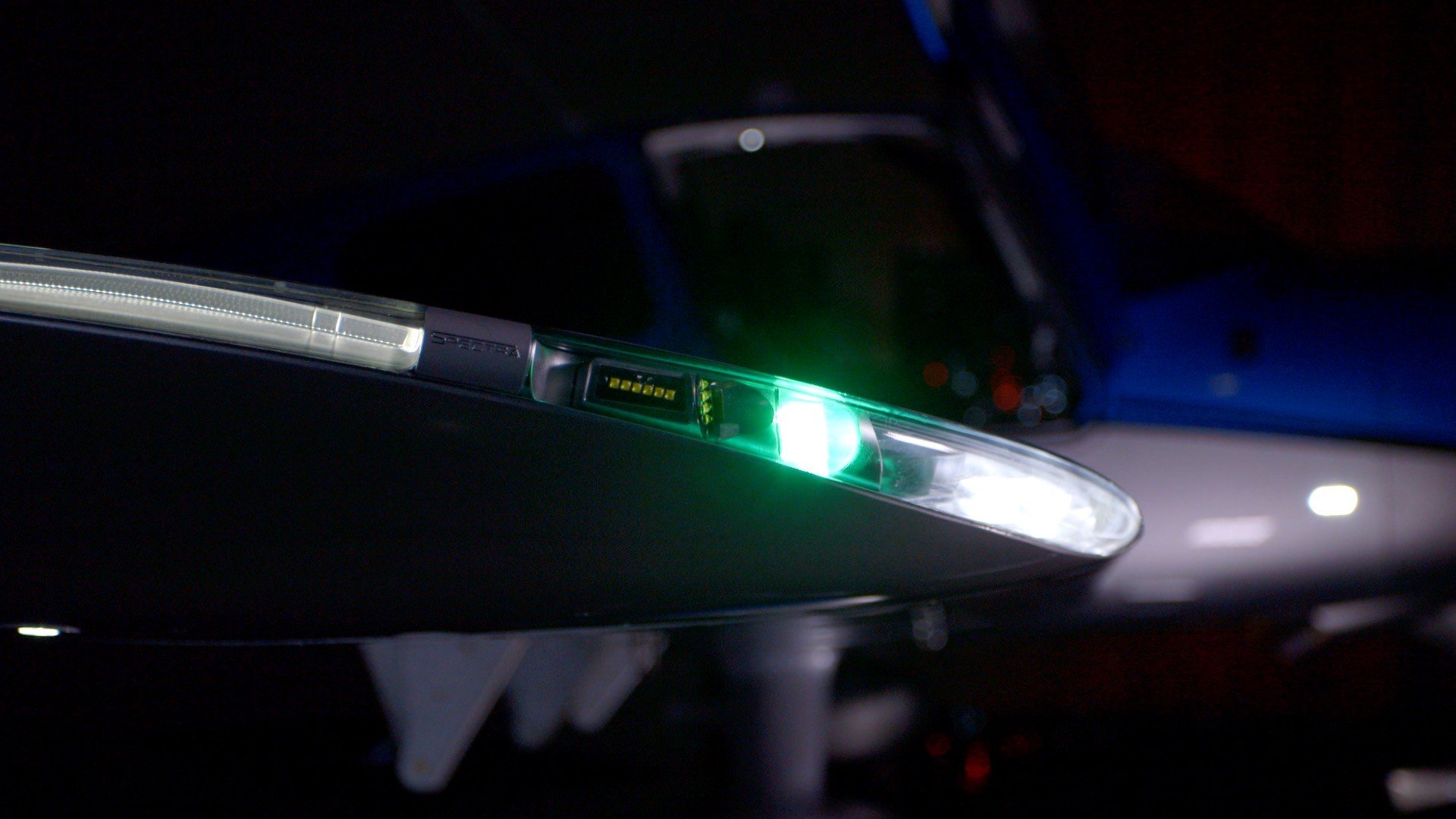
The SR20 rejoined the newest generation with the Lycoming IO-390, and the whole family moved to Perspective+, built on Garmin’s NXi platform with much faster processors, SurfaceWatch runway alerts and Bluetooth database transfers. Spectra wingtip lighting, a remote key fob, refined interiors and a growing list of safety alerts — Stabilized Approach, takeoff-flap and flap-climb reminders — followed through the G6 years, along with Cirrus IQ remote status.

Perspective Touch+ and Safe Return
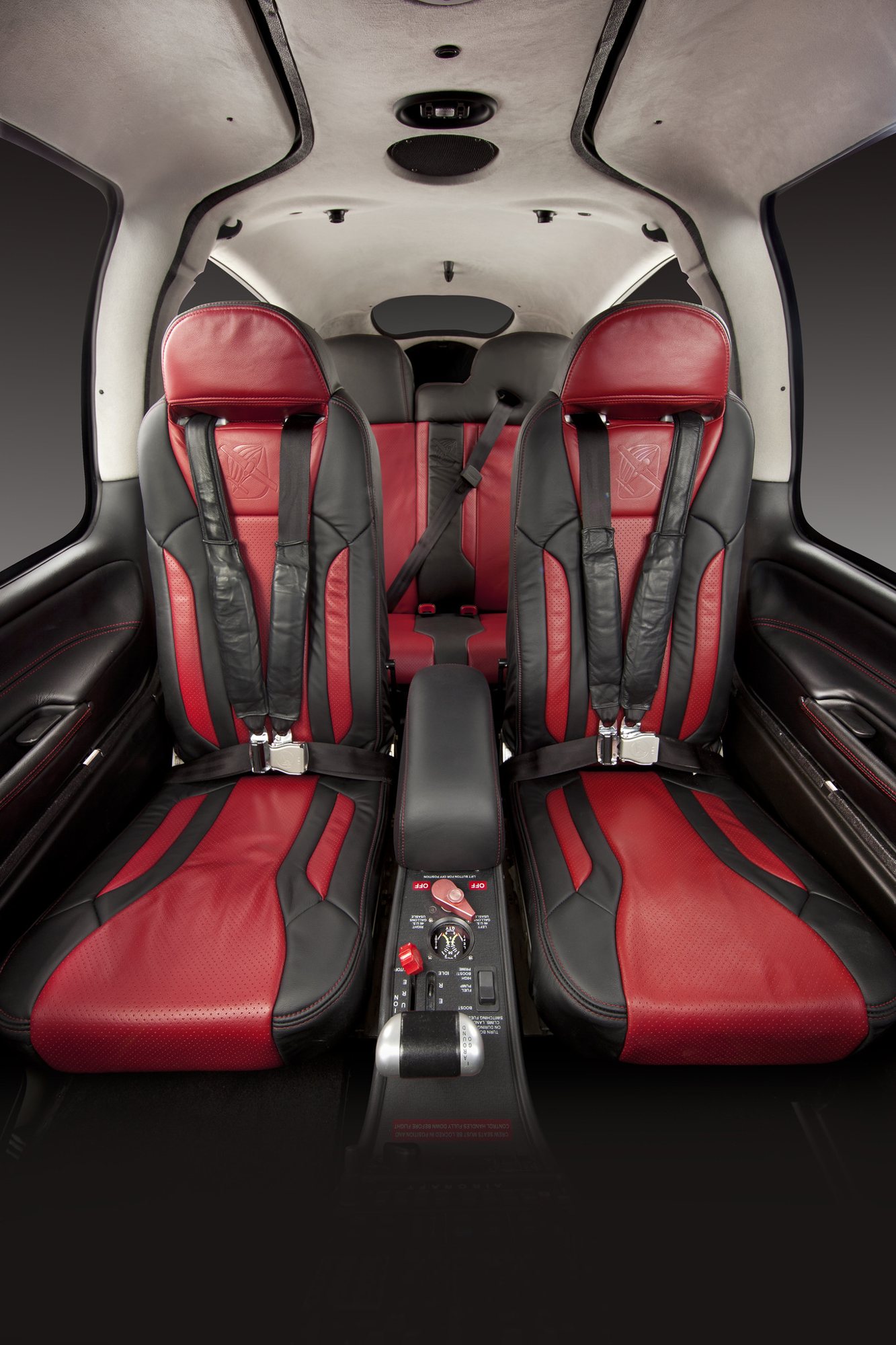
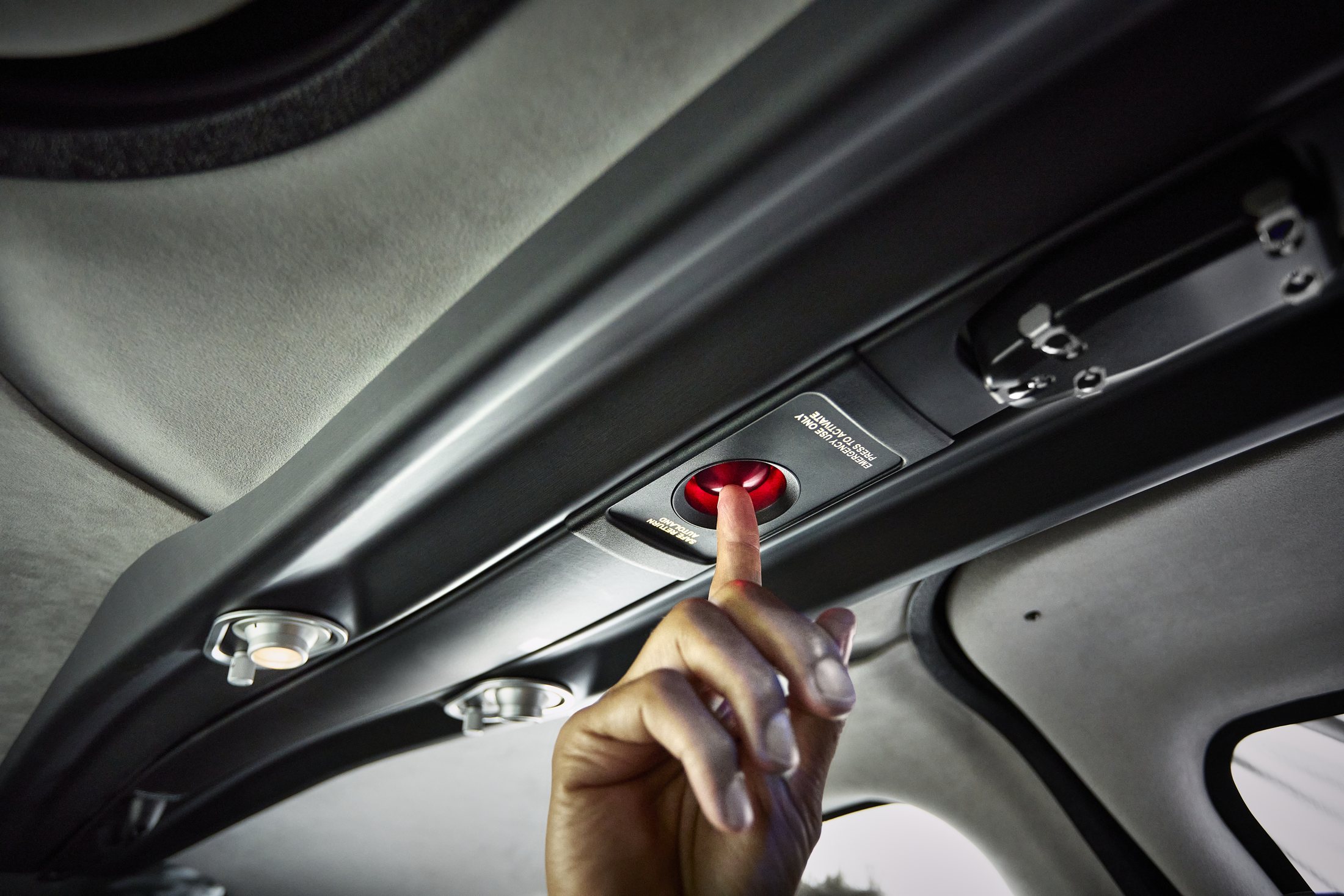
Introduced in January 2024, the G7 brought Perspective Touch+: larger high-resolution displays with Garmin touchscreen controllers, plus Flap Airspeed Protection and a redesigned cabin. The G7+ updates made Safe Return Emergency Autoland available on the SR series — a passenger can press one button and the airplane lands itself at a suitable airport — along with automatic database updates and runway occupancy awareness. Cirrus continues to add features every model year.
CAPS: the system that defines a Cirrus
Every Cirrus carries a whole-airframe parachute, and it has changed the safety conversation in general aviation.
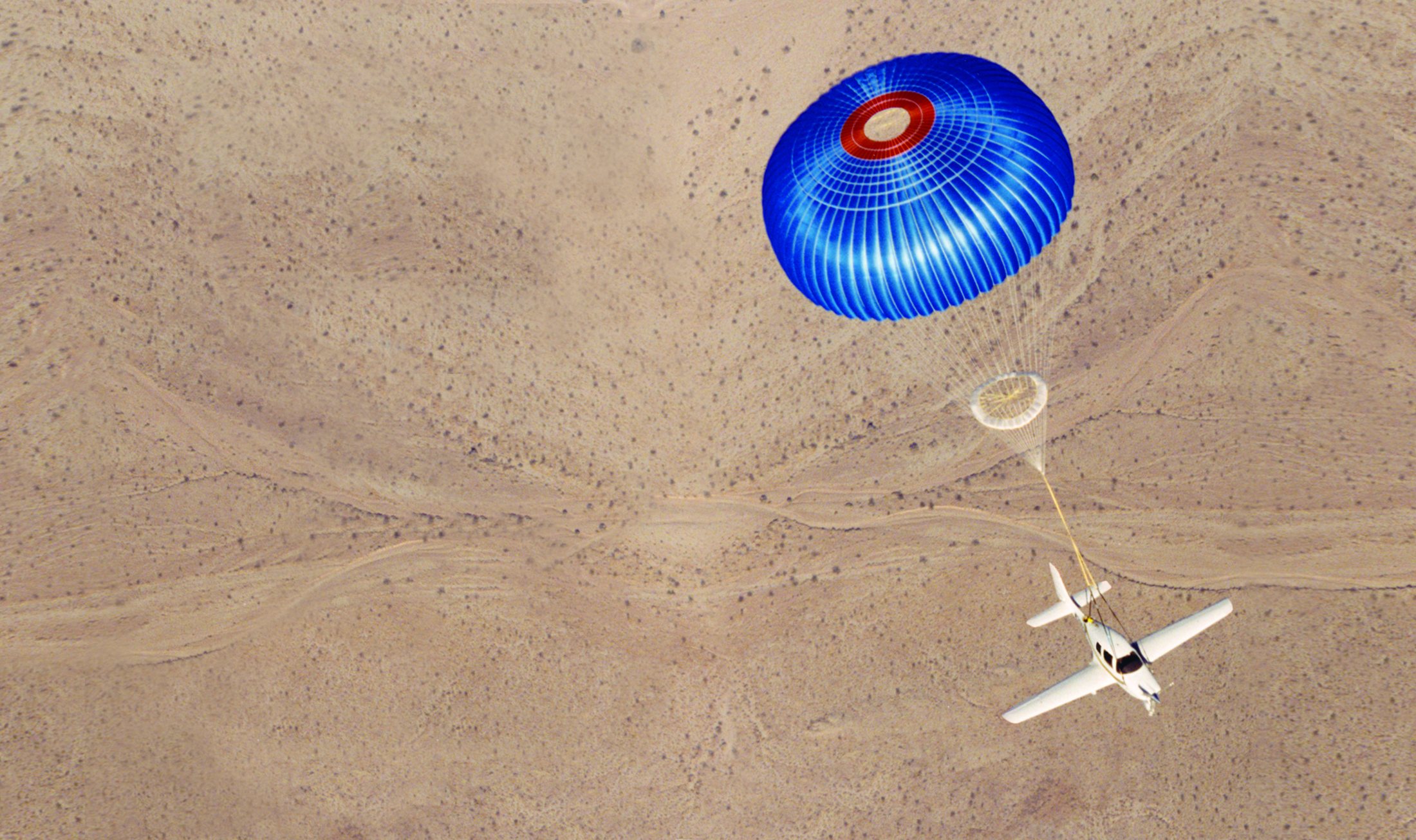
CAPS also shapes ownership. The parachute must be repacked and the rocket replaced on a 10-year cycle, and the line cutters have their own schedule. Access is designed in — the G2 added a panel specifically for parachute and rocket removal — but it is specialized work for a shop that knows the system.
Ice protection
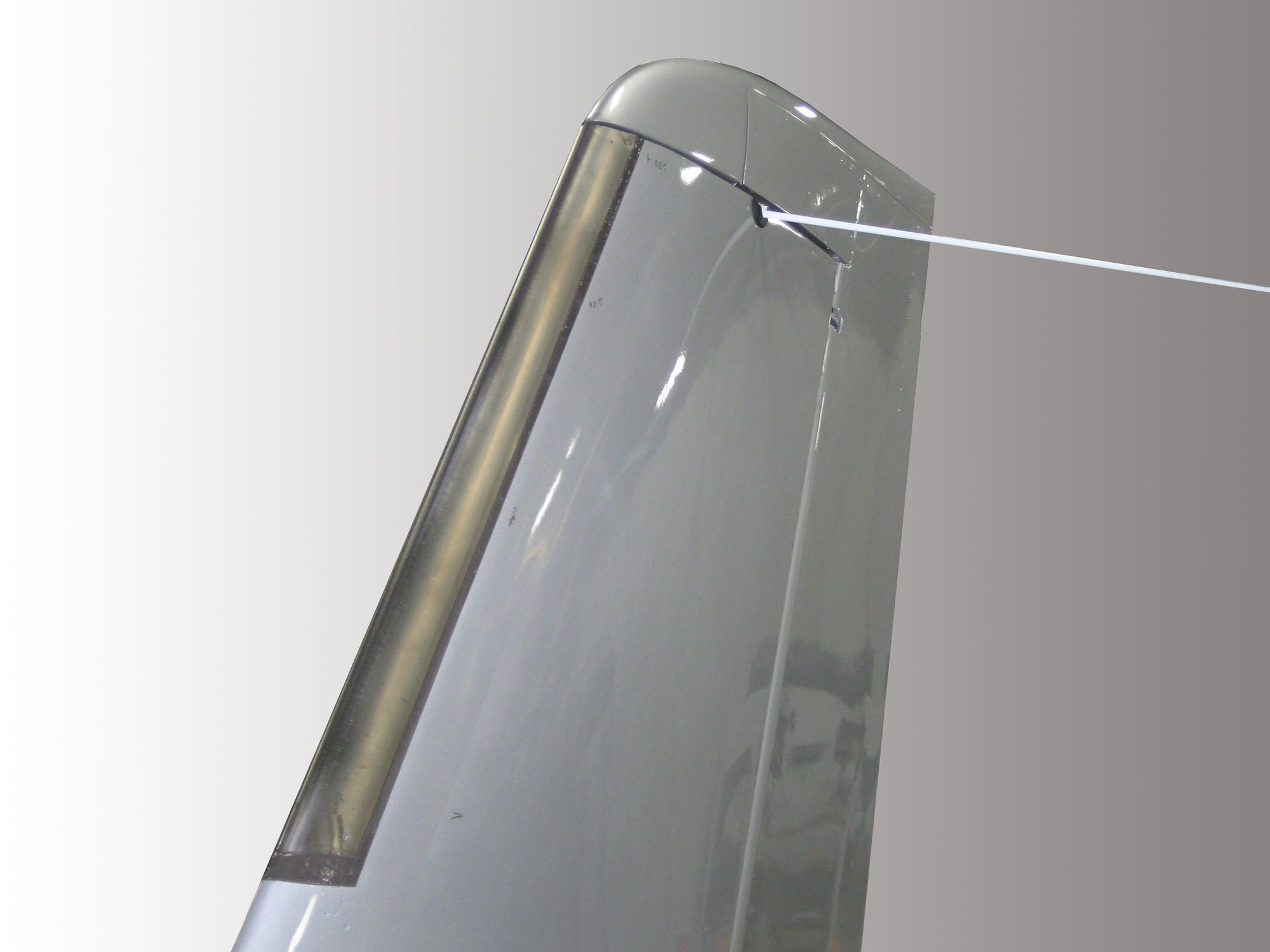
TKS ice protection — first an option on the SR22 in 2002 — weeps glycol-based fluid through laser-drilled panels on the wings, tail and propeller. Both inadvertent-ice and Flight Into Known Ice (FIKI) systems need fluid, filters, panels and pumps in good order before a Minnesota winter.
What this means for maintenance
- Know your generation and serial number. Cirrus changed a great deal at serial-number breakpoints within each generation; parts, service bulletins and inspection items follow them.
- CAPS repack and line cutters. Plan for them — they are among the largest scheduled items in Cirrus ownership.
- Composite structure. Cirrus airframes need composite-trained technicians; cosmetic issues and real structural damage can look alike.
- Ice protection. Keep TKS fluid, filters, panels and pumps healthy, especially on FIKI airplanes.
- Avionics. Older Avidyne and Perspective airplanes have meaningful upgrade paths; newer airplanes depend on current software and databases.
- Warranty. Newer airplanes carry factory warranty coverage best handled through an authorized service center.
Buying a used Cirrus
A good Cirrus pre-buy starts with the generation, serial number and options list, then the CAPS repack date, engine history, composite condition, TKS system health and avionics status. Two airplanes from the same model year can be very different airplanes. If you’re shopping, we’re glad to help you understand what a particular serial number has — and what it will need.
Cirrus service at Twin Cities Aviation
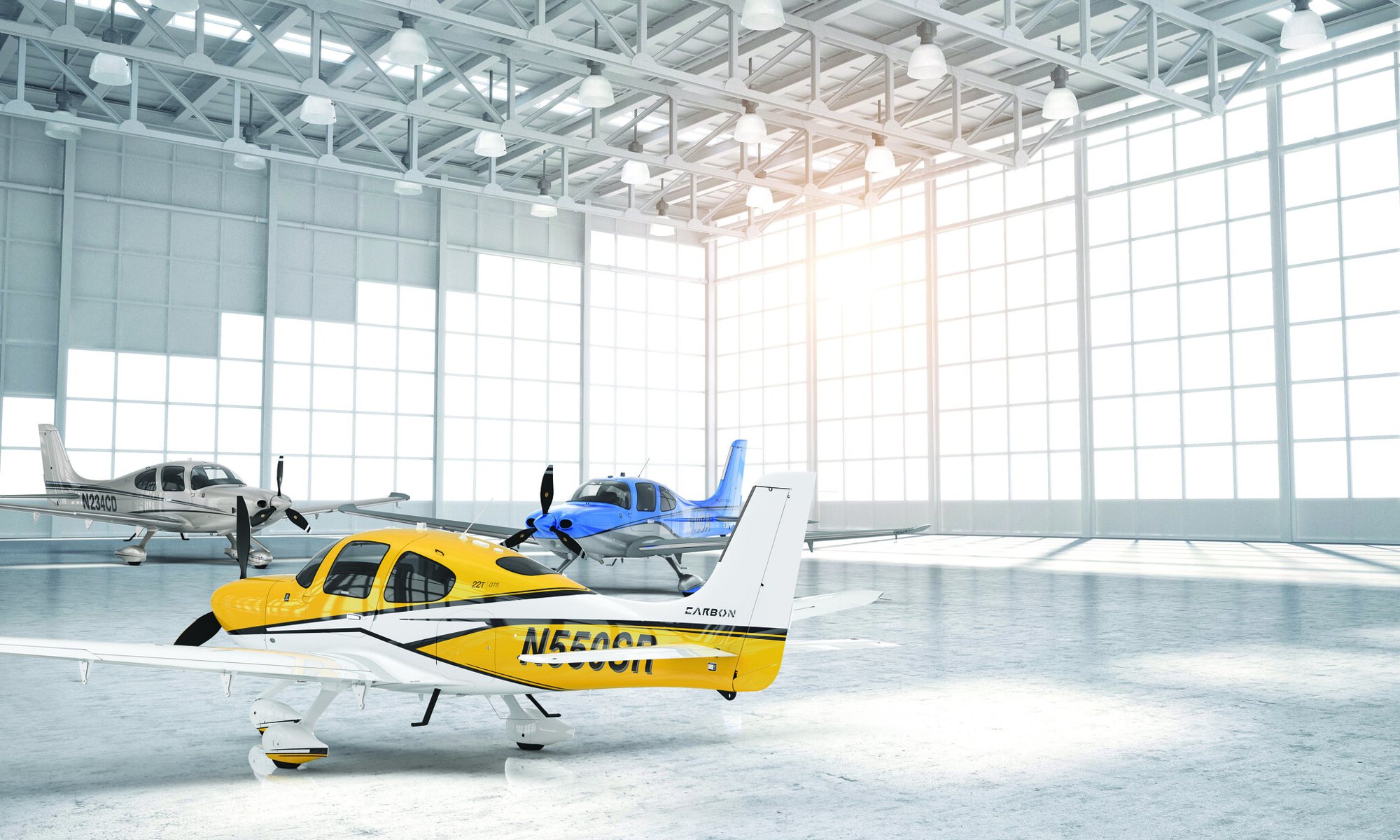
We have been a Cirrus Authorized Service Center since 1999, and our factory-trained technicians have the backing of the factory on the hardest problems. We handle annuals and 100-hour inspections, Cirrus warranty work, CAPS parachute and line cutter replacement, composite and paint repair, avionics upgrades, pre-buy inspections, modifications and custom interiors — and we are a Cirrus parts distributor. Owners fly in from across the Upper Midwest and Canada. Call us at (763) 784-9165 to schedule your Cirrus.
Sources: Cirrus Aircraft; Cirrus Owners and Pilots Association (COPA) CAPS history through December 31, 2024; Cirrus SR Series G7 and G7+ announcements (2024–2026). Model-year details vary by serial number; always confirm against the documents for your aircraft. Aircraft photos courtesy of Cirrus Aircraft.